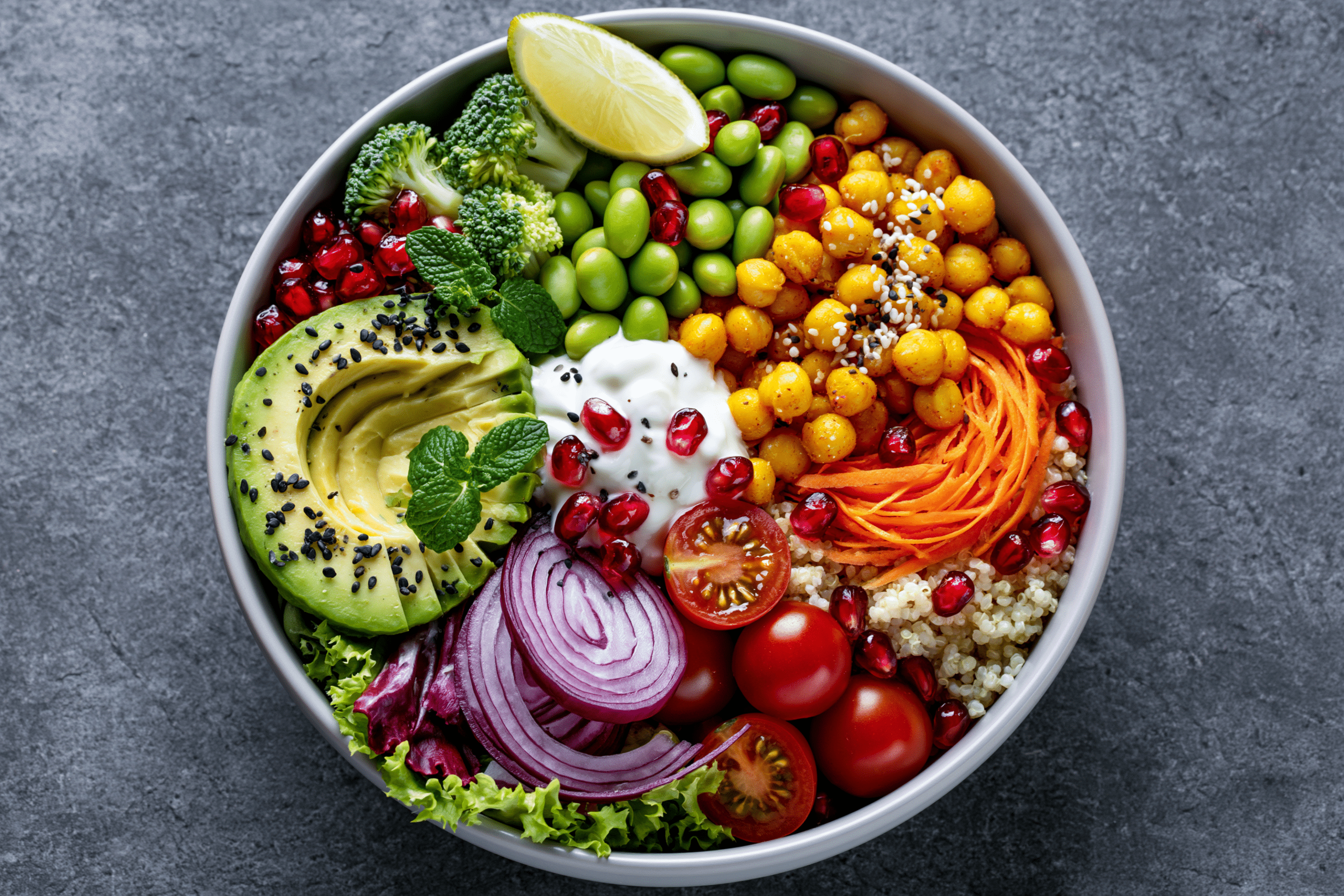
Are you considering a vegetarian diet for weight loss? A well-structured vegetarian weight loss meal plan can be a highly effective way to shed extra pounds. This approach focuses on consuming plant-based foods, which are naturally lower in calories and rich in essential nutrients. Many people find success with this method.
Adopting a plant-based eating style means prioritizing fruits, vegetables, and whole grains. These foods are packed with fiber, promoting a feeling of fullness and aiding in healthy digestion. Furthermore, a vegetarian diet often includes diverse sources of protein, crucial for maintaining muscle mass during weight loss. We will explore how to create a balanced meal plan that supports your goals.
Understanding the Vegetarian Diet for Weight Loss
Embracing a plant-based diet for managing your weight involves consuming only plant-derived foods, completely omitting all animal flesh, including meat and fish. Certain variations of this eating plan may incorporate dairy and eggs, offering additional nutrients and essential elements. This dietary approach naturally promotes the intake of nutrient-dense foods, which are typically lower in energy and rich in fiber, aiding in effective appetite regulation. To maximize the health advantages, prioritize whole foods such as fruits, whole grains, and legumes like lentils and chickpeas, which are excellent sources of nourishment. Nuts and seeds also provide beneficial fats and essential building blocks, while tofu remains a versatile staple in many such eating plans.
Why a Vegetarian Approach Can Boost Your Weight Loss Journey
Embracing a vegetarian diet can significantly enhance your weight management efforts. Plant-based meals generally contain fewer calories and saturated fats, which naturally aids in creating the calorie deficit necessary for losing weight. Moreover, these diets are abundant in dietary fiber, a key component that promotes satiety and helps you feel full for longer periods, ultimately reducing your overall food consumption. Ingredients like lentils, legumes, and quinoa offer excellent sources of both fiber and essential nutrients. Many people discover that a plant-focused eating plan is both sustainable and enjoyable, allowing you to explore a diverse range of delicious and healthy meals, thereby simplifying your adherence to dietary goals.
Why a high-protein vegetarian approach should be prioritized
For effective weight management, a high-protein vegetarian approach is essential. This macronutrient is vital for building and repairing bodily tissues, and it also plays a significant role in preserving muscle mass as you decrease body fat. By incorporating sufficient protein into every meal, you can boost satiety, helping you feel fuller for longer and potentially reducing overall calorie intake. Excellent plant-based sources include tofu, tempeh, quinoa, and various pulses. Moreover, a diet rich in this nutrient supports a robust metabolism, enabling your body to burn calories more efficiently. Diversifying your protein sources ensures you acquire all necessary amino acids.
Prioritizing Protein in Your Vegetarian Weight Loss Meal Plan
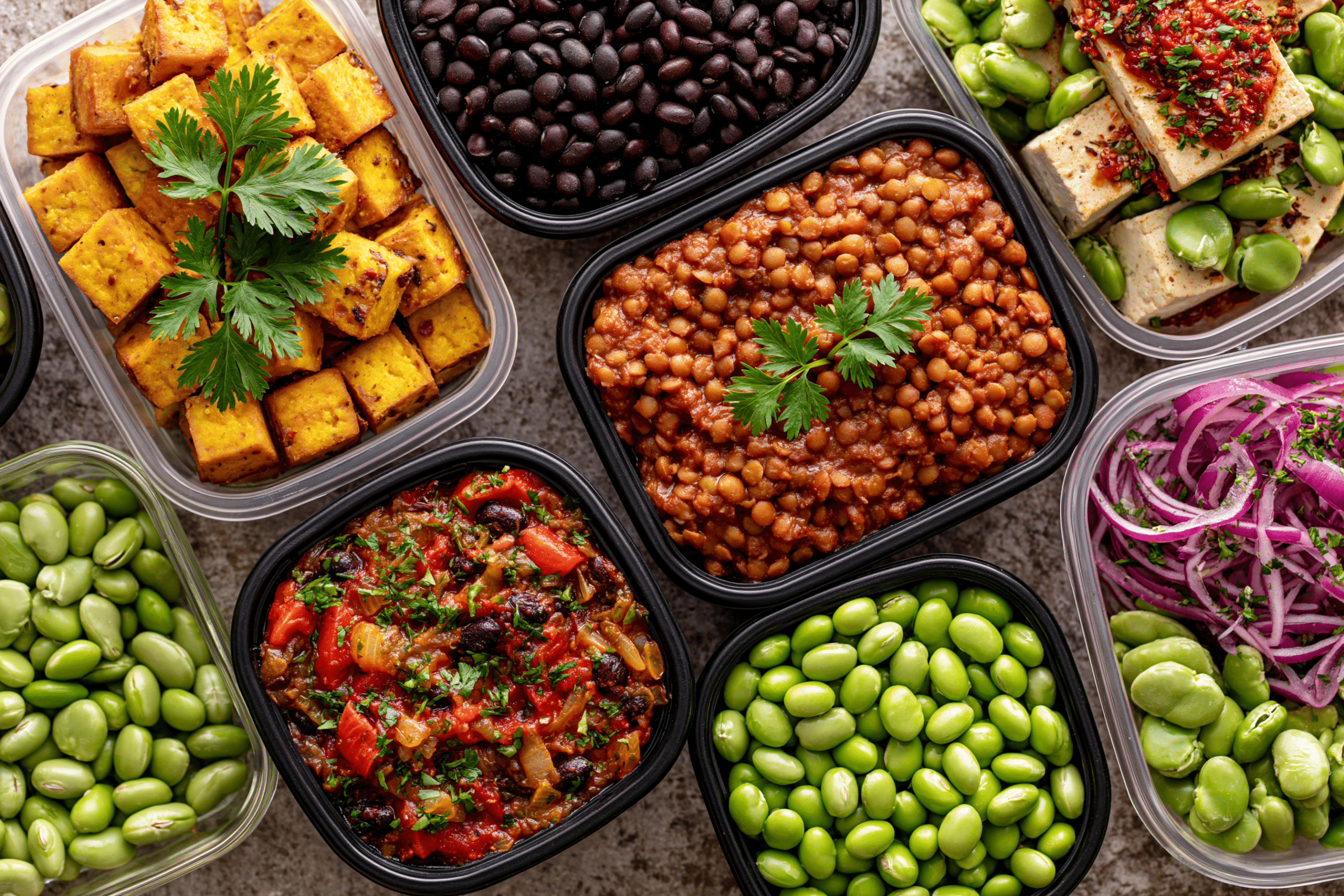
Prioritizing this macronutrient in your vegetarian dietary plan is crucial for effective weight management. Sufficient nutrient intake supports successful fat reduction by helping to preserve muscle mass and enhance satiety. This strategy ensures your body receives necessary nourishment as you control caloric intake. Incorporate diverse plant-based sources into every meal; lentils, beans, and edamame are excellent options. Tofu and tempeh also provide significant amounts of this essential nutrient, while nuts and seeds contribute valuable components. Emphasizing nutrient-dense foods can help diminish cravings, making it easier to adhere to your dietary objectives. A thoughtfully constructed vegetarian eating plan can be both fulfilling and efficient for achieving your health goals.
Top Foods to Include for Effective Vegetarian Weight Loss
To achieve effective plant-based weight management, strategically include certain foods that support your health objectives. These selections deliver vital nutrients and promote fullness without excessive caloric intake. Prioritize a diverse range of fresh produce, with leafy greens, berries, and cruciferous options being particularly beneficial due to their low-calorie density and high nutrient content. Whole grains, such as oats and brown rice, supply complex carbohydrates for sustained energy release throughout your day. Legumes like black beans and chickpeas are excellent for satiety and contribute to overall wellness. In moderation, nuts and seeds offer healthy fats crucial for various bodily functions. For versatile meal ideas, consider incorporating tempeh and lentils into your diet.
Foods to Limit or Avoid on a Vegetarian Weight Loss Plan
What foods should you limit or avoid on a vegetarian weight management plan? Certain items can hinder your progress even within a plant-based framework. Understanding these can help you make better dietary choices. This ensures you stay on track with your goals. Highly processed vegetarian foods often contain hidden sugars and unhealthy oils. These can contribute to unwanted calorie intake without providing much satiety. Examples include many meat substitutes and ready-made meals. Always check ingredient lists carefully. Refined grains, such as white bread and pasta, offer less dietary fiber. They can lead to blood sugar spikes and subsequent energy crashes. Opt for whole grain alternatives instead. Sweetened beverages and excessive amounts of fruit juice also add unnecessary calories. These lack the beneficial fiber found in whole fruits.
How to make sure you actually lose weight on a vegetarian diet
To ensure success with a vegetarian weight loss meal plan, you must create a calorie deficit. This means consuming fewer calories than your body burns each day. Tracking what you eat can help you stay accountable. It provides a clear picture of your daily intake.
- Step 1: Calculate Your Caloric Needs. Determine your basal metabolic rate (BMR) and total daily energy expenditure (TDEE). Many online calculators can assist with this estimation. Aim for a moderate calorie deficit, typically 300-500 calories below your TDEE.
- Step 2: Plan Your Meals. Structure your daily food intake around whole, unprocessed plant-based ingredients. Include a variety of vegetables, fruits, and whole grains. This ensures you get essential vitamins and minerals.
- Step 3: Monitor Portions. Even nutritious foods can contribute to weight gain if consumed in large quantities. Use measuring cups and a food scale to manage serving sizes. This helps prevent overeating.
- Step 4: Stay Hydrated. Drink plenty of water throughout the day. Sometimes, thirst can be mistaken for hunger. Proper hydration also supports overall bodily functions.
- Step 5: Incorporate Physical Activity. Exercise complements dietary changes for effective weight management. Aim for a combination of cardiovascular activities and strength training. This boosts metabolism and helps preserve lean body mass.
- Step 6: Track Progress and Adjust. Regularly weigh yourself and measure body circumference. If progress stalls, reassess your calorie intake and activity levels. Make small, sustainable adjustments as needed.
Consistency is crucial for achieving your weight management goals. A balanced approach combining diet and exercise yields the best results.
Sample 7-Day Vegetarian Weight Loss Meal Plan
Are you curious about what a week of nutritious meals looks like? This sample menu offers a guide for a balanced approach to managing your weight. It focuses on diverse ingredients to keep your meals interesting and satisfying.
Day 1
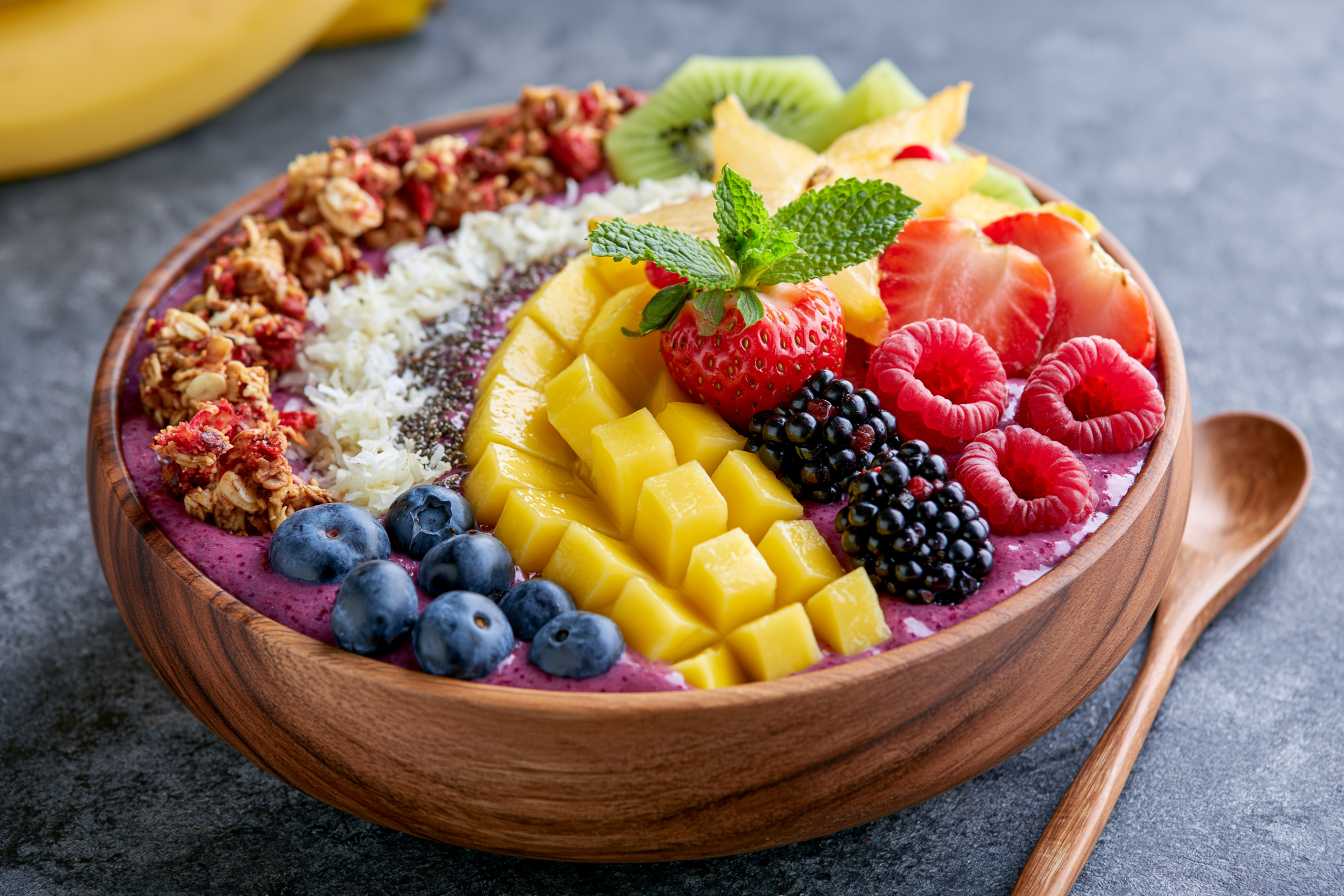
Start your day with a fruit smoothie. For lunch, enjoy a large mixed greens salad with a light vinaigrette. Dinner could be a vegetable stir-fry with brown rice.
Day 2
Have oatmeal with berries for breakfast. A lentil soup makes a warming lunch. In the evening, try baked sweet potatoes with steamed green vegetables.
Day 3
Scrambled eggs with spinach and a slice of avocado can be a great breakfast. A substantial salad featuring various garden vegetables is perfect for midday. For dinner, consider a large portion of vegetable curry.
Day 4
Enjoy a bowl of Greek yogurt with a sprinkle of nuts and seeds. For lunch, leftovers from your vegetable curry make a quick meal. Dinner could be a hearty minestrone soup.
Day 5
Prepare a breakfast burrito with black beans and salsa. A sandwich on rye bread with hummus and cucumber slices is a good lunch option. In the evening, make a large batch of vegetable chili.
Day 6
Pancakes made with a gluten-free flour mixture and fresh fruit are a weekend treat. Enjoy a large bowl of your leftover vegetable chili for lunch. For dinner, consider creamy vegan sun-dried tomato pasta.
Day 7
A fruit and nut bar with a cup of herbal tea can be a light breakfast. A large mixed salad with a generous serving of roasted vegetables is a delightful lunch. For dinner, try vegetable and mushroom skewers grilled to perfection.
Breakfast Ideas for Vegetarian Weight Loss
What are some excellent morning meal options for individuals seeking to reduce their body mass? Incorporating specific foods can support your goals. Consider choices that offer good satiety and sustained energy. Oatmeal provides a fantastic base. You can enhance it with berries or a small amount of maple syrup. Another great choice is Greek yogurt. Add a handful of mixed berries or a drizzle of honey. These options are simple to prepare. Smoothies offer versatility and convenience. Blend various fruits with a liquid base like almond milk. Include a scoop of your preferred alternative for an extra boost. For a more savory start, scrambled eggs with spinach are excellent. A slice of avocado adds richness. These suggestions contribute to a balanced eating strategy.
Lunch and Dinner Recipes for Vegetarian Weight Loss
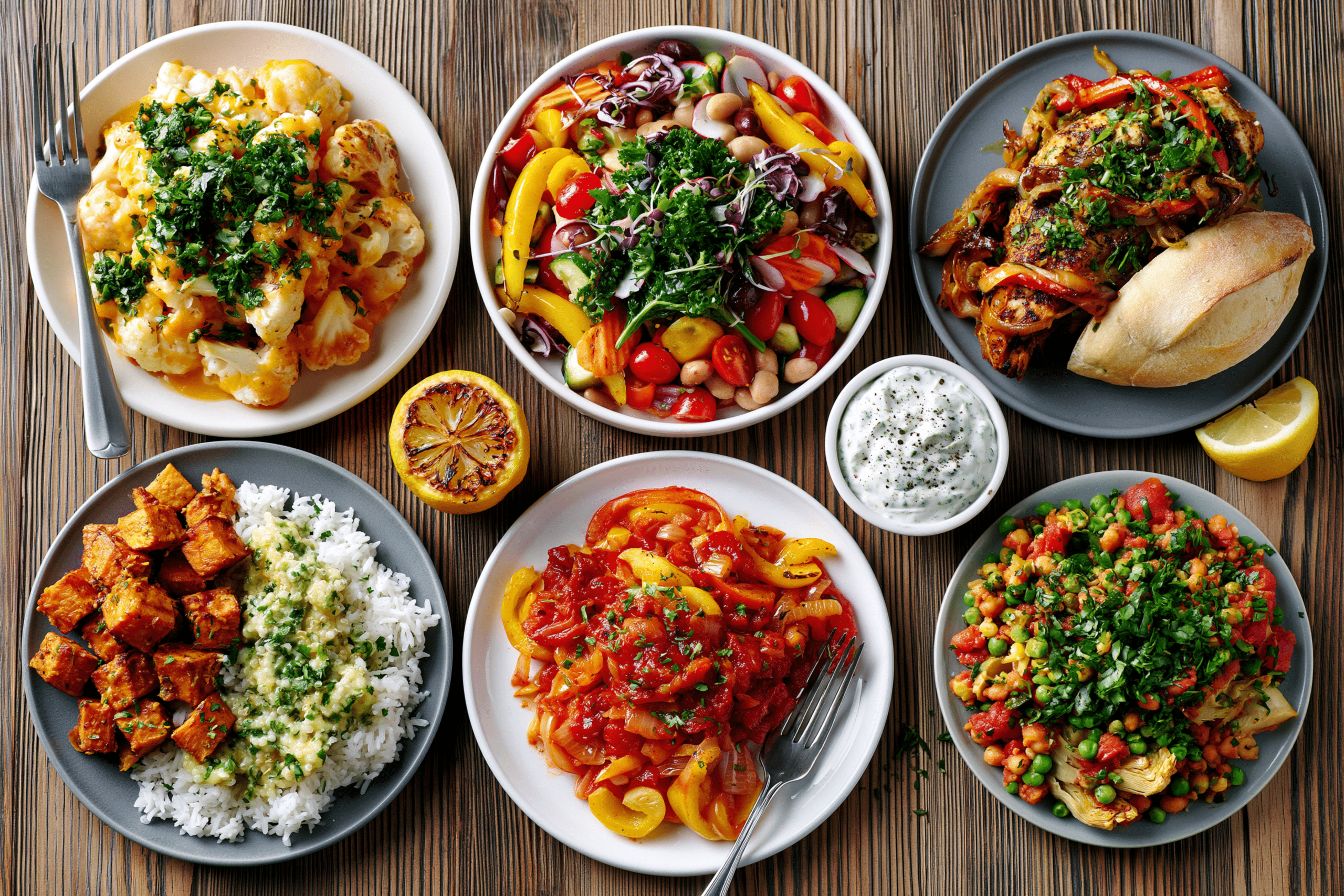
What are some satisfying meal options for midday and evening meals to aid in weight management? Focusing on balanced ingredients can help you feel full and energized. These recipes are simple to prepare and delicious. For lunch, try a vibrant salad with various greens. Add some roasted sweet potatoes or a generous serving of lentils for substance. Alternatively, a hearty soup like minestrone or a comforting lentil soup works well. These choices are packed with goodness. For dinner, consider a flavorful vegetable stir-fry. Serve it over brown rice for a complete meal. Another excellent choice is baked sweet potatoes paired with steamed green items. You might also enjoy a rich vegetable curry. For more creative ideas, explore our collection of recipes.
| Meal Idea | Key Components |
|---|---|
| Mediterranean Bowl | Mixed greens, cucumber, tomatoes, olives, crumbled feta, lemon-herb dressing |
| Black Bean Burgers | Homemade black bean patties, whole wheat buns, avocado, salsa |
| Spicy Peanut Noodles | Rice noodles, bell peppers, carrots, edamame, peanut sauce |
| Stuffed Bell Peppers | Bell peppers, brown rice, diced zucchini, corn, tomato sauce |
Snack Options for Your Vegetarian Weight Loss Journey
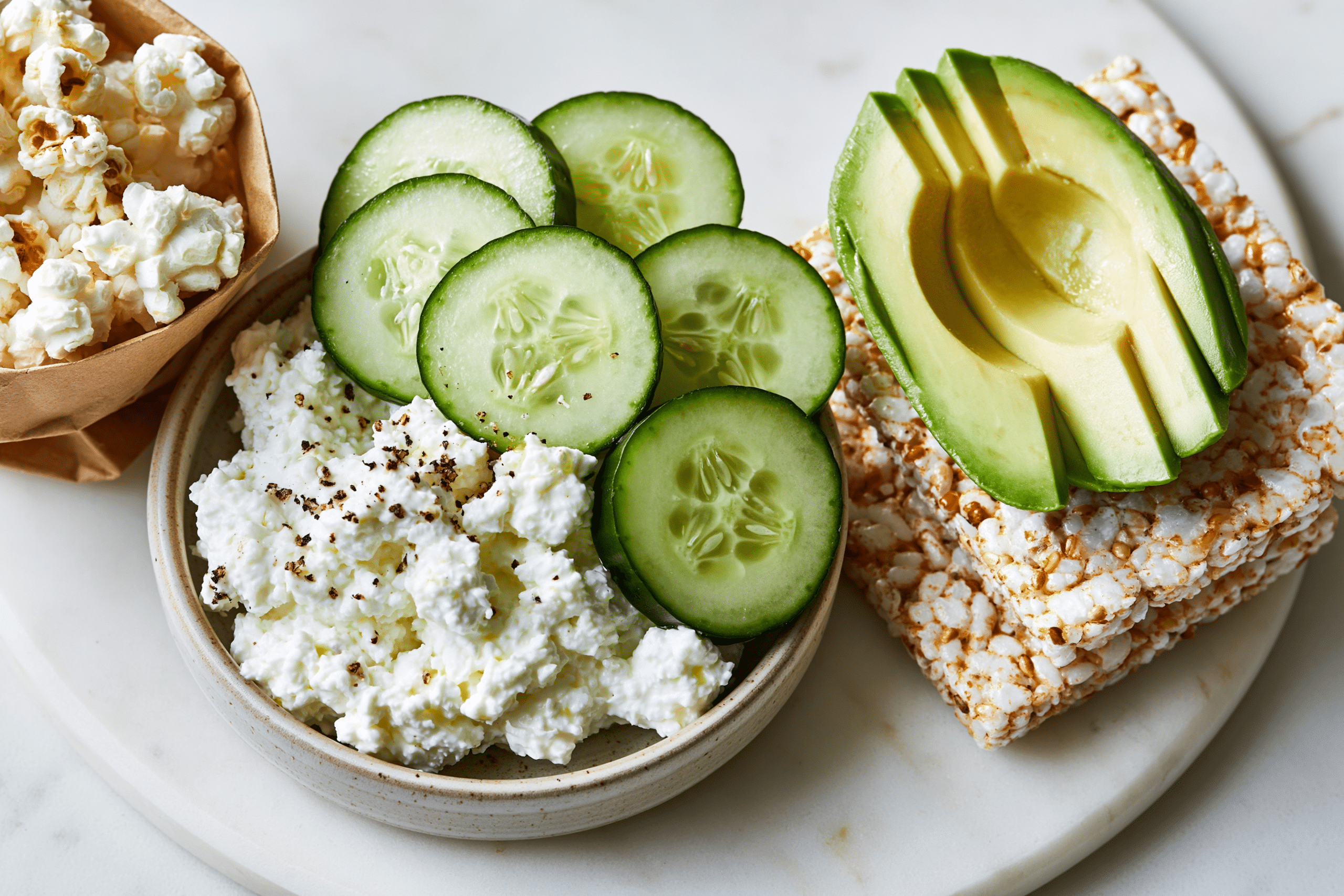
What are some satisfying mini-meals to keep you fueled during your vegetarian weight reduction efforts? Thoughtful choices can prevent overeating at main meals. These smaller bites support your overall dietary strategy. Consider a small serving of cottage cheese. Pair it with sliced cucumber or bell pepper strips. Another option is a rice cake topped with a thin layer of avocado. A handful of air-popped popcorn can also be a light, satisfying choice. It offers good volume for few calories. For a slightly sweeter treat, try a few dried apricots. Alternatively, a small container of plain Greek yogurt is excellent. You can add a sprinkle of cinnamon for extra flavor. These simple selections contribute to a balanced eating plan.
Tips for Sustained Weight Loss on a Vegetarian Diet
How can you ensure long-term success with your vegetarian weight reduction efforts? Consistency and mindful eating are key factors. Focus on creating sustainable habits for lasting results. Hydration plays a crucial role. Drink plenty of water throughout the day. This can help manage hunger cues effectively. Furthermore, prioritize adequate rest each night. Quality sleep supports metabolic functions. Incorporate regular physical activity into your routine. Even moderate exercise makes a significant difference. Listen to your body’s signals for hunger and fullness. This practice promotes a balanced relationship with food. Consider consulting a dietitian for personalized guidance.
Building a Personalized Vegetarian Weight Loss Routine
How do you craft an eating regimen tailored specifically for your individual needs? Personalizing your approach ensures it fits your lifestyle and preferences. This makes your journey more enjoyable and sustainable. Begin by assessing your current dietary habits. What foods do you enjoy most? Can you easily incorporate more unprocessed foods into your daily meals? Consider any specific dietary restrictions or allergies you might have. Next, set realistic and achievable objectives. Focus on gradual changes rather than drastic overhauls. For example, try adding an extra serving of leafy greens to your lunch. Alternatively, swap one sugary drink for water each day. Track your food intake to identify patterns. This awareness helps you make informed adjustments. Experiment with diverse recipes to keep meals exciting. You might explore new culinary ideas from our recipe collection.
Build a healthy vegetarian meal plan and routine that works for you
Do you want to build a dietary strategy that truly supports your goals? Creating a personalized regimen involves thoughtful planning. It also requires understanding your body’s unique requirements. Start by identifying your preferred foods. Do you enjoy cooking at home, or do you need quick options? Your daily schedule greatly influences meal choices. Furthermore, consider any food sensitivities or dislikes. Crafting a successful regimen also means setting clear, attainable objectives. Focus on small, consistent modifications. For instance, try incorporating an extra serving of legumes into your evening meal. Alternatively, replace one processed snack with a piece of fresh produce.
FAQ About Vegetarian Weight Loss Meal Plans
Can you lose weight on a vegetarian diet?
Absolutely, you can achieve weight reduction with a vegetarian eating regimen. Many individuals find success by focusing on wholesome, unprocessed foods. This approach naturally helps manage overall consumption.
What are the best vegetarian foods for weight loss?
Prioritize foods like lentils, tempeh, and various greens. Berries and sweet potatoes are also excellent choices. These options provide satisfaction and essential nourishment for your body.
How many calories should a vegetarian eat to lose weight?
The ideal daily caloric intake for weight reduction varies greatly. It depends on factors like age, activity level, and metabolism. Consulting a dietitian can provide personalized guidance.
Is a vegetarian diet healthy for weight loss?
Yes, a well-planned vegetarian diet can be very beneficial for weight management. It often leads to increased intake of beneficial compounds and reduced consumption of saturated fats. This promotes overall well-being.
How can I ensure I get enough protein on a vegetarian weight loss plan?
Focus on diverse sources of muscle-building components. Include items like lentils, black beans, edamame, and Greek yogurt. Combining different sources throughout the day helps meet your requirements effectively.
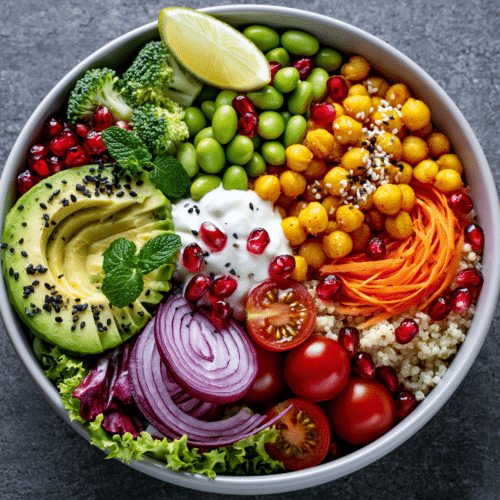
Vegetarian Weight Loss Meal Plan: Sample Day 1

Ingredients
- For Breakfast (Fruit Smoothie):
- 1 cup mixed berries (fresh or frozen)
- 1/2 banana
- 1/2 cup unsweetened almond milk (or other plant-based milk)
- 1 scoop plant-based protein powder (optional)
- 1 tablespoon chia seeds (optional)
- For Lunch (Large Mixed Greens Salad):
- 4 cups mixed greens (spinach, romaine, kale, etc.)
- 1/2 cup chopped cucumber
- 1/2 cup cherry tomatoes, halved
- 1/4 cup shredded carrots
- 1/4 cup bell pepper, sliced
- 1/4 cup chickpeas, rinsed and drained
- 2 tablespoons light vinaigrette dressing
- For Dinner (Vegetable Stir-fry with Brown Rice):
- 1 cup cooked brown rice
- 1 tablespoon olive oil
- 1 cup broccoli florets
- 1/2 cup sliced bell peppers (any color)
- 1/2 cup snap peas
- 1/4 cup sliced mushrooms
- 1/4 cup sliced onion
- 2 cloves garlic, minced
- 1 tablespoon low-sodium soy sauce (or tamari)
- 1 teaspoon grated fresh ginger
- 1/4 cup vegetable broth
- Optional: 1/2 cup firm tofu or tempeh, cubed and pressed
Instructions
- For Breakfast (Fruit Smoothie):
- 1. Combine all smoothie ingredients in a blender.
- 2. Blend until smooth and creamy. Add more liquid if needed to reach desired consistency.
- 3. Pour into a glass and enjoy immediately.
- For Lunch (Large Mixed Greens Salad):
- 1. In a large bowl, combine mixed greens, cucumber, cherry tomatoes, shredded carrots, sliced bell pepper, and chickpeas.
- 2. Drizzle with light vinaigrette dressing.
- 3. Toss gently to combine and serve.
- For Dinner (Vegetable Stir-fry with Brown Rice):
- 1. Cook brown rice according to package instructions.
- 2. Heat olive oil in a large skillet or wok over medium-high heat.
- 3. Add broccoli, bell peppers, snap peas, mushrooms, and onion. Stir-fry for 3-5 minutes until vegetables are tender-crisp.
- 4. Add minced garlic and grated ginger. Stir-fry for another minute until fragrant.
- 5. In a small bowl, whisk together soy sauce and vegetable broth. If using tofu/tempeh, add it to the pan now and cook for a few minutes until lightly browned.
- 6. Pour the sauce over the vegetables and cook for 1-2 minutes, stirring constantly, until the sauce thickens slightly.
- 7. Serve the vegetable stir-fry over the cooked brown rice.