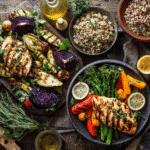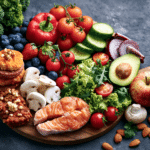
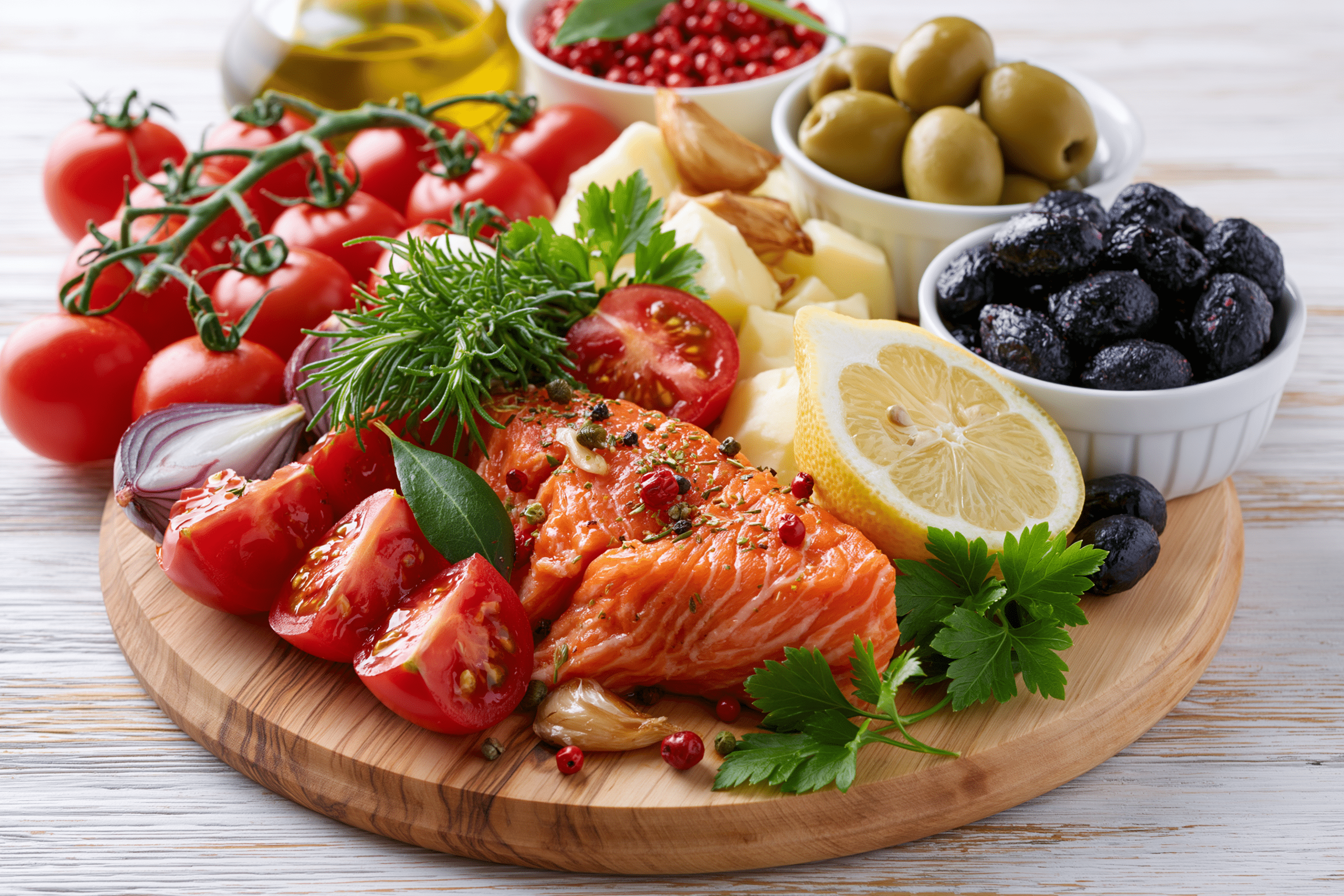
Seeking a sustainable eating approach that prioritizes your well-being? The Mediterranean eating pattern offers a flavorful route to improved health. This dietary style highlights traditional foods from nations bordering the Mediterranean Sea, recognized for its benefits in overall wellness and body weight management. A meal plan centered on this approach for healthy weight management emphasizes whole, unprocessed foods. You’ll find an abundance of fruits, vegetables, whole grains, legumes, and nuts, along with healthy fats, particularly extra virgin olive oil. Moderate portions of fish and poultry are also common, while red meat and highly processed items are limited. This eating style transcends a mere diet; it embodies a lifestyle promoting fresh ingredients and mindful consumption. Many individuals discover it both simple to adopt and deeply satisfying. Its emphasis on nutrient-dense foods naturally fosters satiety, which can assist in achieving a healthy weight. This method avoids the restrictive practices often challenging to sustain long-term. Embracing this eating pattern can lead to substantial health advantages, including enhanced cardiovascular health and better blood sugar regulation. It can certainly support your goals for a healthy weight. This comprehensive guide will assist you in developing an effective meal plan.
What is the Mediterranean Diet and Why is it Great for Weight Loss?
Embrace the Mediterranean eating plan, a dietary approach inspired by the culinary traditions of Greece and Italy. This lifestyle emphasizes fresh, whole foods, focusing on abundant **fruits and vegetables**, healthy fats, and lean proteins for overall well-being. This approach aids in managing body weight by promoting satiety with fiber-rich foods, which naturally reduces overall calorie intake. The emphasis on whole foods also lowers the consumption of unhealthy fats and limits added sugars, often contributors to weight gain. This sustainable dietary choice supports long-term body weight management without deprivation, helping regulate blood sugar levels and promoting **heart health**. You’ll discover numerous delicious recipes for every meal, incorporating moderate amounts of poultry, some dairy, and eggs. This adaptable plan can be tailored to your preferences, making it a sustainable lifestyle, not just a temporary fix.
Core Principles of the Mediterranean Diet for Sustainable Weight Loss
To achieve sustainable weight management and potentially improve conditions like diabetes, the Mediterranean diet emphasizes whole, unprocessed foods. This eating pattern prioritizes fresh produce, legumes, and whole grains, which naturally helps manage overall calorie intake. Healthy fats, especially olive oil, are fundamental to this dietary approach. You’ll consume fish and poultry in moderation, while limiting red meat, highly processed foods, and sugary drinks. The diet also promotes sustainability through its focus on fresh, seasonal ingredients. Furthermore, it encourages regular physical activity and mindful eating practices. Enjoying red wine occasionally and in moderation is also part of this lifestyle, which offers numerous healthy snack ideas for effective, long-term health.
Beyond the Plate: The Mediterranean Lifestyle for Enhanced Results
The Mediterranean lifestyle goes beyond just food choices. It integrates several practices that amplify the benefits of the Mediterranean diet. These lifestyle elements contribute significantly to overall well-being and successful weight management. Regular physical activity is a cornerstone of this approach. It doesn’t mean intense gym sessions. Instead, it encourages daily movement like walking or gardening. Adequate rest and stress reduction are also vital. They help maintain hormonal balance, which impacts metabolism. Social connection and mindful eating are key aspects. Sharing meals with loved ones fosters a sense of community. Eating slowly and savoring each bite aids digestion. This holistic view enhances the positive effects of the Mediterranean diet on your body.
Mediterranean Diet Food List: What to Eat for Optimal Weight Loss
What should you eat on a Mediterranean diet for optimal weight loss? The Mediterranean diet emphasizes a rich variety of whole, unprocessed ingredients. This approach naturally supports weight management. It focuses on nutrient-dense options that keep you feeling full and satisfied.
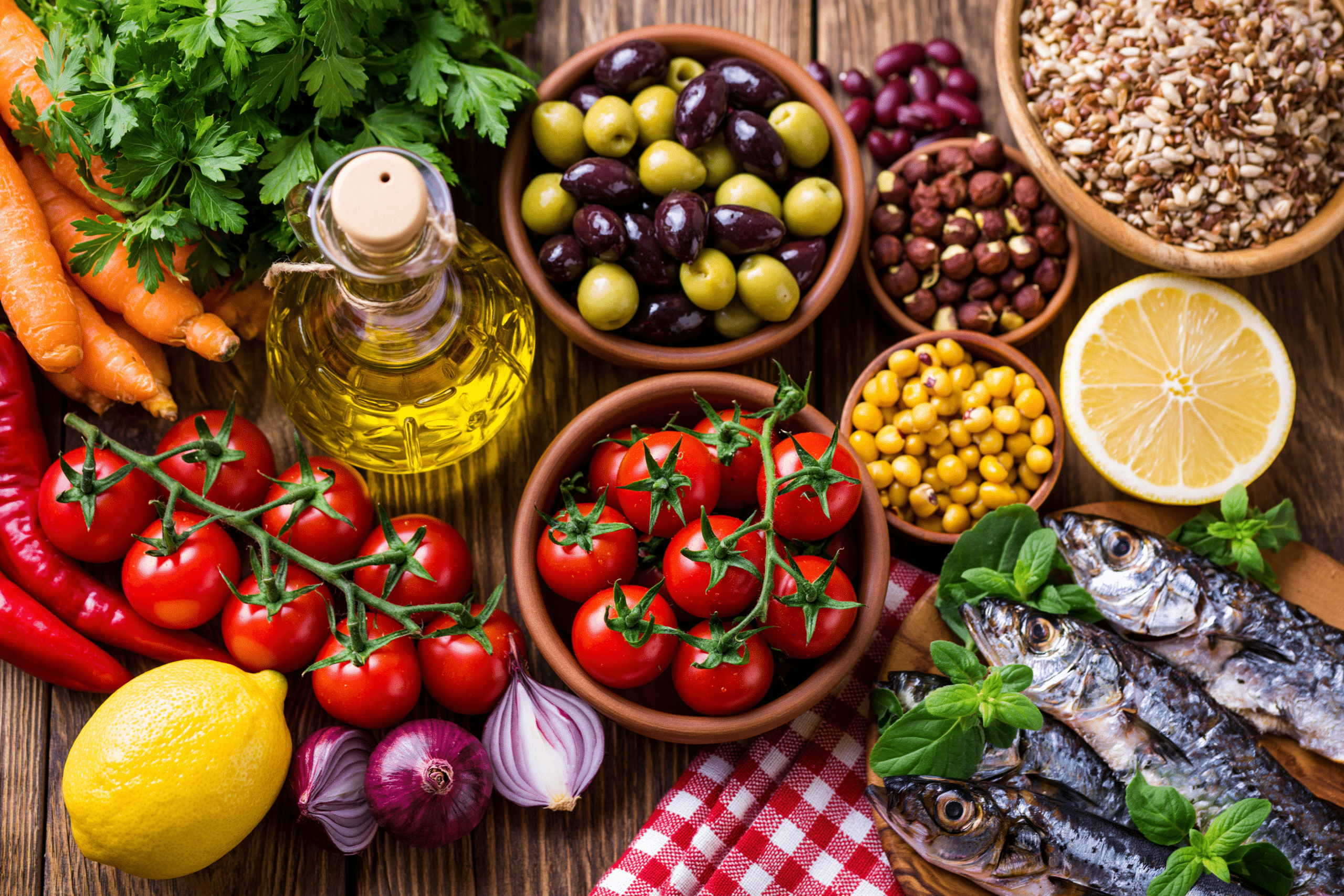
Foods to Embrace: Staples for Your Mediterranean Weight Loss Journey
To optimize your Mediterranean diet for weight management, prioritize fresh, nutrient-dense foods. Build your healthy eating plan around a diverse selection of vegetables, including vibrant leafy greens, bell peppers, and juicy tomatoes. Incorporate fresh fruits like berries, apples, and oranges for essential vitamins and dietary fiber. For sustained energy, choose whole grains such as oats, brown rice, and quinoa. Plant-based protein sources like lentils, chickpeas, and beans are also vital. Extra virgin olive oil serves as the primary healthy fat, complemented by beneficial compounds found in nuts and seeds. Enjoy fish and seafood a few times weekly as excellent protein options.
Foods to Limit or Avoid for Effective Weight Management
What foods should you limit or avoid for effective weight management? Certain items can hinder your progress on a Mediterranean eating plan. Reducing their intake helps achieve desired results. Making conscious choices is important. Avoid highly refined grains. White bread and pasta offer little nutritional value. Also, limit items high in added sugars. These include sugary beverages, candies, and many baked goods. Instead, try natural desserts. Red meat consumption should be infrequent. Opt for leaner protein sources more often. Stay away from trans fats found in many snack items. These choices support a more effective approach to weight reduction.
Snacks and Healthy Indulgences on the Mediterranean Diet
Can you enjoy snacks and indulgences on the Mediterranean diet? Absolutely, this eating pattern allows for delicious treats and small bites. Choosing wisely helps maintain your progress. It also keeps your taste buds happy. Opt for nutrient-dense options. A handful of almonds or walnuts makes a great choice. Fresh fruit, like an apple with a spoonful of almond butter, is another excellent alternative. Consider Greek yogurt topped with berries. This offers protein and antioxidants. For occasional sweet treats, choose wisely. A small piece of dark chocolate is a satisfying option. You can also enjoy homemade fruit-based desserts. These mindful choices support a balanced approach.
Mediterranean diet for weight loss: calorie density and satiety hacks
To support your Mediterranean diet for healthy weight management, consider how calorie density and satiety strategies can optimize your meal plan. This method emphasizes selecting foods that provide significant fullness without contributing excessive calories, which helps regulate your total energy intake. Grasping these principles is fundamental for effective body mass reduction. Prioritize foods with lower calorie density, as these often contain high water and nutrient levels. For instance, fresh vegetables and fruits offer substantial volume and satisfaction, naturally decreasing your overall caloric consumption. Boost your intake of protein-rich options like poultry, seafood, and plant-based sources to enhance satiety. Additionally, incorporate whole grains such as quinoa or brown rice; they deliver sustained energy and prevent hunger pangs, helping you feel satisfied for longer periods.
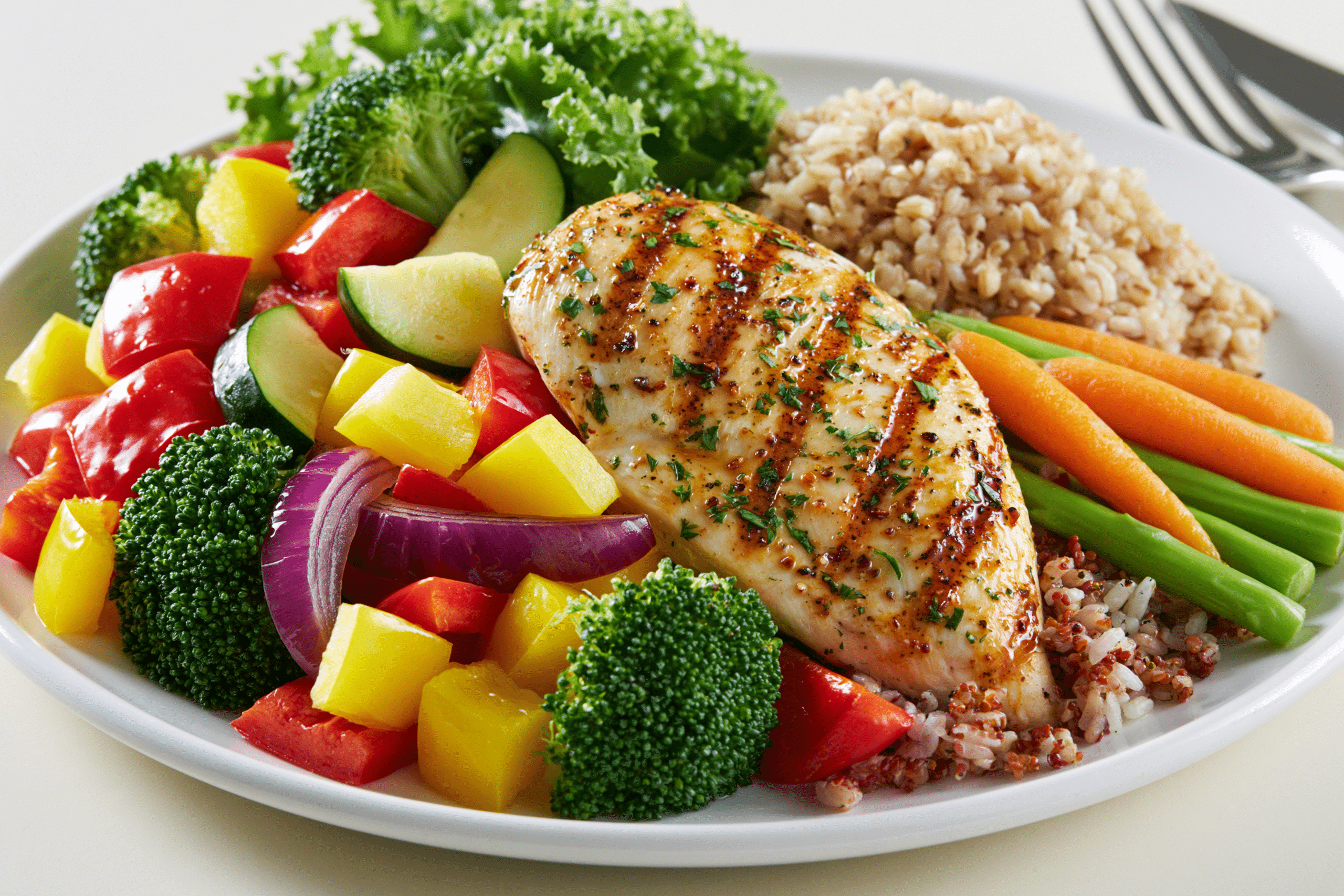
A 7-Day Mediterranean Diet Meal Plan for Weight Loss
A balanced eating program can significantly aid in shedding excess weight. This sample seven-day plan provides structure. It emphasizes wholesome ingredients and mindful consumption. Follow this guide to jumpstart your progress. Here is a sample menu for your week:
| Day | Breakfast | Lunch | Dinner |
|---|---|---|---|
| Day 1 | Greek yogurt with berries | Large salad with grilled chicken | Baked salmon with roasted vegetables |
| Day 2 | Oatmeal with fruit and seeds | Whole-grain pita with hummus and cucumber | Lentil soup with a side salad |
| Day 3 | Scrambled eggs with spinach | Tuna salad (no mayo) on lettuce wraps | Chicken stir-fry with plenty of greens |
| Day 4 | Smoothie with greens and fruit | Leftover chicken stir-fry | Whole-wheat pasta with vegetable sauce |
| Day 5 | Cottage cheese with sliced peaches | Quinoa salad with various garden vegetables | Cod baked with herbs and lemon |
| Day 6 | Whole-grain toast with avocado | Vegetable soup with crunchy bread | Turkey meatballs with zucchini noodles |
| Day 7 | Frittata with peppers and onions | Large mixed green salad with chickpeas | Shrimp skewers with brown rice |
This meal guide offers variety. It also ensures proper nourishment. Remember to adjust portion sizes to your individual needs.
Day 1-3: Kickstarting Your Mediterranean Weight Loss Journey
The initial days of this eating plan focus on foundational principles. They help you transition to a new way of eating. These days emphasize fresh produce, lean protein, and whole grains. This combination promotes satiety. It also provides essential nutrients. Start your morning with nourishing options. Consider Greek yogurt topped with a mix of berries. For lunch, a generous salad with grilled poultry offers a light, satisfying meal. Dinner could feature baked salmon alongside colorful, roasted garden vegetables. These choices set a strong precedent. They prepare your body for sustained dietary changes.
Day 4-7: Sustaining Momentum and Enjoying Variety
How can you maintain consistency and explore diverse culinary options throughout the week? As you progress into the latter half of the week, focus on sustaining the positive changes you’ve initiated. Embrace the diverse flavors and ingredients characteristic of this eating approach. This helps prevent dietary monotony. Continue to prioritize nutrient-dense foods. Explore new recipes featuring lean protein sources and abundant plant-based ingredients. For example, a whole-wheat pasta dish with a rich vegetable sauce can be both satisfying and delicious. Consider cod prepared with fragrant herbs and zesty lemon for another dinner option. These choices keep your palate engaged. They also ensure a steady intake of vital nutrients.
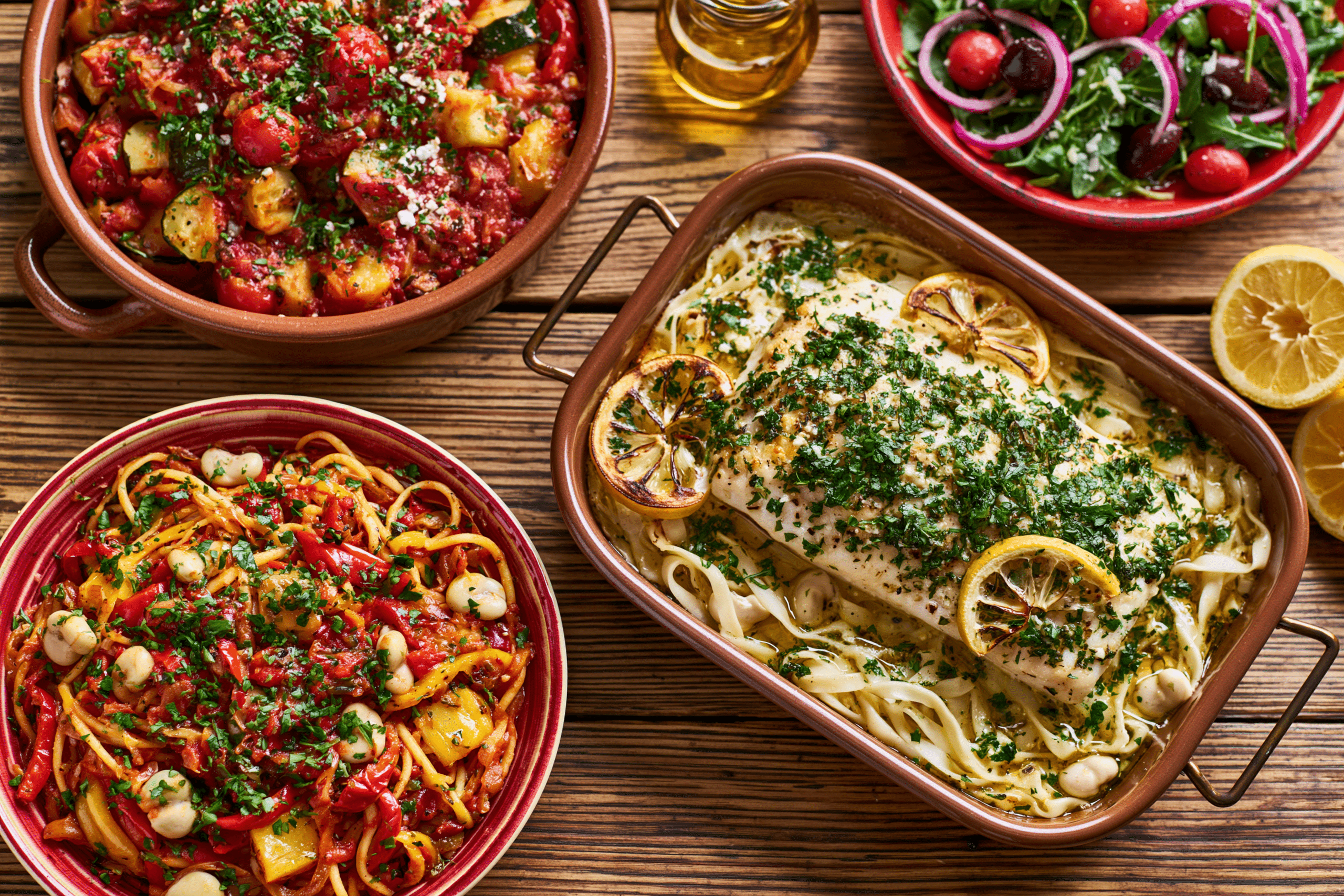
Tips for Eating Out on a Mediterranean Diet
Can you successfully adhere to a Mediterranean eating pattern while dining away from home? Yes, you can enjoy meals out while following this dietary approach. Focus on establishments offering fresh, simple preparations. Look for grilled or baked options. Many restaurants provide suitable choices. Opt for dishes rich in vegetables. Select lean protein sources like poultry or seafood. Ask for sauces and dressings on the side. This allows you to control the amount. Choose salads with olive oil and vinegar. These are excellent choices. Be mindful of portion sizes as well.
Practical Strategies for Long-Term Mediterranean Diet Success
What are some practical strategies for long-term adherence to this eating approach? Implementing sustainable habits is crucial for lasting success with the Mediterranean way of eating. Focus on gradual changes rather than drastic overhauls. This makes the dietary shift more manageable. Prioritize meal preparation. Plan your meals in advance. This helps you stick to your nutritional goals. Stock your pantry with appropriate ingredients. Include plenty of fresh produce, lean protein, and complex carbohydrates. Experiment with different recipes. Find ones you genuinely enjoy. This will make the journey more pleasurable. In addition, embrace physical activity. Regular movement complements your dietary efforts. Aim for consistency in both areas. Seek support from friends or family. Their encouragement can be invaluable. Remember, this is a lifestyle change. It is not a temporary regimen.
Health Benefits of the Mediterranean Diet Beyond Weight Loss
Does the Mediterranean eating pattern offer advantages beyond shedding pounds? Absolutely, this dietary approach provides a wealth of benefits extending far beyond mere weight management. This eating style emphasizes fresh, unprocessed ingredients. It supports overall well-being. It significantly boosts cardiovascular health. This pattern helps lower blood pressure. It also improves cholesterol levels. Many studies link it to a reduced risk of heart disease and stroke. The emphasis on plant-based foods and quality protein sources is key. Furthermore, this way of eating can enhance brain function. It may protect against cognitive decline. The abundance of antioxidants plays a vital role. It also supports gut health, thanks to diverse plant material. This contributes to better digestion and nutrient absorption. This comprehensive approach nurtures both body and mind.
Frequently Asked Questions About the Mediterranean Diet for Weight Loss
What is a 7-day Mediterranean diet meal plan for weight loss?
A typical week-long plan focuses on vibrant, fresh ingredients. It includes plenty of vegetables, fruits, and lean protein sources. You will also enjoy olive oil and various herbs and spices. This approach supports your goals by emphasizing nutrient-dense choices.
Can I lose weight on the Mediterranean diet without counting calories?
Many individuals find success without strict calorie tracking. The diet naturally promotes satiety due to its rich composition. It encourages mindful eating and portion control. Focusing on food quality often leads to a caloric deficit naturally.
What foods should I avoid on a Mediterranean diet for weight loss?
Limit items high in sugar, such as sodas and candies. Minimize refined grains like white bread and pasta. Additionally, reduce consumption of highly-processed snacks and trans fats. These choices can hinder progress toward your weight management goals.
How much weight can you lose in a month on the Mediterranean diet?
Individual results vary, but a loss of 4-8 pounds per month is common. This sustainable rate is often achieved through consistent adherence. Factors like starting weight and activity levels also play a role. The diet promotes gradual, steady progress.
Is the Mediterranean diet suitable for everyone wanting to lose weight?
This eating pattern is generally safe and beneficial for most people. However, consulting a healthcare professional is always recommended. This is especially true if you have underlying health conditions. They can offer personalized advice and guidance.
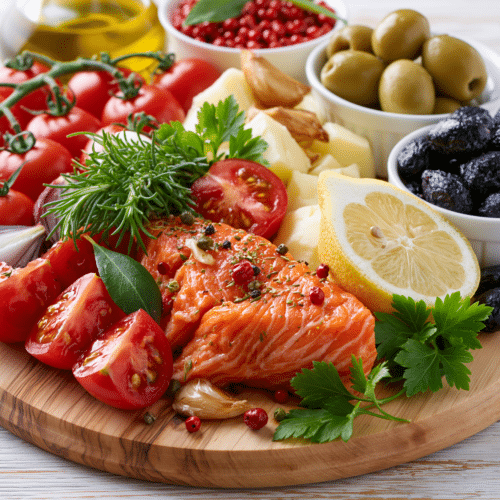
Mediterranean Diet 7-Day Meal Plan for Weight Loss

Ingredients
- Day 1:
- Greek yogurt
- Mixed berries
- Salad greens
- Grilled chicken breast
- Salmon fillet
- Assorted vegetables (e.g., broccoli, bell peppers, zucchini)
- Olive oil
- Herbs and spices
- Day 2:
- Rolled oats
- Fresh fruit
- Chia seeds or flax seeds
- Whole-grain pita bread
- Hummus
- Cucumber
- Lentils
- Vegetable broth
- Assorted vegetables for soup (e.g., carrots, celery, spinach)
- Salad greens
- Olive oil
- Day 3:
- Eggs
- Fresh spinach
- Canned tuna (in water or olive oil)
- Lettuce leaves
- Chicken breast
- Assorted stir-fry vegetables (e.g., broccoli, snap peas, carrots, bell peppers)
- Soy sauce (low sodium) or tamari
- Ginger
- Garlic
- Olive oil
- Day 4:
- Spinach or kale
- Banana or other fruit
- Protein powder (optional)
- Water or unsweetened almond milk
- Leftover chicken stir-fry
- Whole-wheat pasta
- Canned crushed tomatoes
- Assorted vegetables for sauce (e.g., zucchini, eggplant, onions, garlic)
- Olive oil
- Herbs (e.g., basil, oregano)
- Day 5:
- Cottage cheese
- Fresh peaches (sliced)
- Quinoa
- Assorted vegetables (e.g., cherry tomatoes, cucumber, bell peppers)
- Feta cheese (optional)
- Olive oil
- Lemon juice
- Herbs (e.g., parsley, mint)
- General Pantry Staples:
- Extra virgin olive oil
- Salt
- Black pepper
- Garlic powder
- Onion powder
- Dried oregano
- Dried basil
- Lemon
Instructions
- Day 1:
- Breakfast: Combine Greek yogurt with a handful of mixed berries.
- Lunch: Prepare a large salad with mixed greens, grilled chicken breast, and a light olive oil and vinegar dressing.
- Dinner: Bake a salmon fillet with roasted vegetables (e.g., broccoli, bell peppers, zucchini) seasoned with olive oil, salt, pepper, and herbs.
- Day 2:
- Breakfast: Cook oatmeal and top with fresh fruit and a sprinkle of seeds.
- Lunch: Fill a whole-grain pita with hummus and sliced cucumber.
- Dinner: Make a hearty lentil soup with various vegetables. Serve with a small side salad dressed with olive oil and lemon.
- Day 3:
- Breakfast: Scramble eggs with fresh spinach.
- Lunch: Prepare tuna salad (using olive oil or Greek yogurt instead of mayo) and serve it in lettuce wraps.
- Dinner: Cook a chicken stir-fry with plenty of green vegetables, seasoned with soy sauce (or tamari), ginger, and garlic.
- Day 4:
- Breakfast: Blend a smoothie with greens (spinach or kale), fruit (like a banana), and water or unsweetened almond milk.
- Lunch: Enjoy the leftover chicken stir-fry from Day 3.
- Dinner: Cook whole-wheat pasta and toss with a homemade vegetable sauce made from crushed tomatoes and various chopped vegetables (e.g., zucchini, eggplant, onions, garlic), seasoned with olive oil and herbs.
- Day 5:
- Breakfast: Serve cottage cheese with sliced fresh peaches.
- Lunch: Prepare a quinoa salad with chopped vegetables (cherry tomatoes, cucumber, bell peppers), a light olive oil and lemon dressing, and optional feta cheese.
- Dinner: (The article content cuts off here, but a typical Mediterranean dinner could be baked cod with asparagus and a whole-grain roll, or chicken and vegetable skewers.)