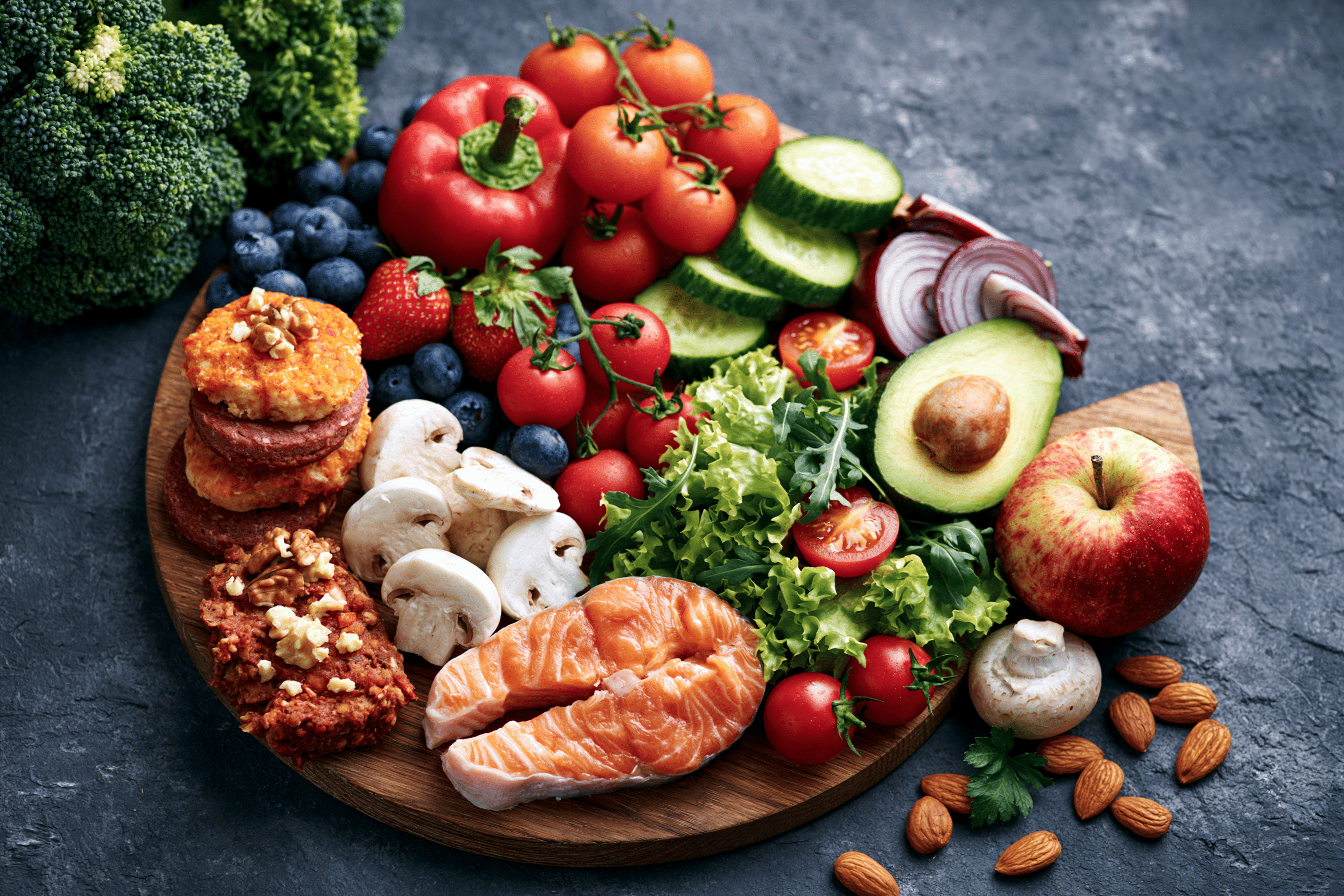
Achieving a sculpted physique requires more than just exercise; it demands a strategic nutritional approach. A well-designed eating plan is crucial for reaching your body composition goals, whether you aim to lose weight or build lean muscle. This guide will help you effectively fuel your body for body recomposition, the challenging yet rewarding process of simultaneously reducing body mass and increasing muscle. This comprehensive nutritional framework optimizes your intake of essential nutrients, avoiding restrictive diets in favor of a balanced and nourishing approach. Begin by understanding your caloric needs; to decrease body mass, consume fewer calories than you expend, while building lean tissue requires ample energy. This article provides practical advice for calculating your individual requirements and offers delicious recipes tailored to support your fitness objectives. We emphasize nutrient-dense foods for sustained energy and explore the importance of sufficient protein for tissue repair and growth. Combined with consistent strength training, this dietary strategy will help you achieve your desired results, transforming your body and enhancing your overall well-being.
Understanding the Synergy: Weight Loss and Muscle Gain
You can achieve body recomposition, the simultaneous reduction of body fat and increase in lean muscle, through a strategic approach. This dual objective demands meticulous attention to both your diet and exercise regimen. Proper fueling is paramount; prioritize adequate protein for tissue repair and growth, choosing lean sources like poultry, fish, and eggs. Incorporate complex carbs such as oats, quinoa, and sweet potatoes to maintain energy during your training. Additionally, ensure a rich intake of diverse fruits and vegetables for vital micronutrients, and include beneficial fats from sources like avocados and seeds. Balancing these essential nutrients in appropriate proportions is fundamental for a successful body transformation. A well-designed eating strategy will effectively support both muscle development and body composition goals.
Calculating Your Caloric Needs for Optimal Results
To determine your ideal daily calorie intake for body composition goals, start by calculating your basal metabolic rate (BMR), which indicates the calories your body burns at rest. Then, incorporate your activity level to find your total daily energy expenditure (TDEE). For effective fat loss, target a moderate calorie deficit of 300 to 500 calories below your TDEE. Conversely, to support muscle gain, a small surplus of 200-300 calories is generally advisable. Always prioritize nutrient-rich foods, including lean protein sources, whole grains, and beneficial fats. Consider adding foods like salmon for its omega-3 fatty acids.
Mastering Macronutrients: The Fuel for Your Transformation
To understand your body’s transformation, begin by grasping the role of macronutrients. These fundamental dietary components—proteins, carbohydrates, and healthy fats—are crucial for achieving your fitness aspirations. Protein, essential for tissue repair and growth, should be consumed at approximately 0.7 to 1 gram per pound of body weight, with sources like eggs and dairy being excellent choices. For sustained energy during exercise, complex carbohydrates such as oats, quinoa, and sweet potatoes are ideal. Beneficial lipids, found in avocado, olive oil, and seeds, are vital for hormone production and overall well-being. Achieving the right balance of these elements is fundamental for successful body recomposition.
Protein: The Building Block of Muscle
Protein is often called the fundamental building block for your body’s tissues because it’s crucial for repairing and regenerating them after physical activity. It also plays a significant role in creating new lean mass, making it indispensable for individuals aiming to increase strength and enhance their physique. Ensuring adequate intake of this macronutrient daily supports post-workout recovery and helps prevent tissue breakdown, especially when you’re consuming fewer calories. Therefore, prioritize consuming protein with each meal to optimize your fitness goals.
Carbohydrates and Fats: Energy and Essential Functions
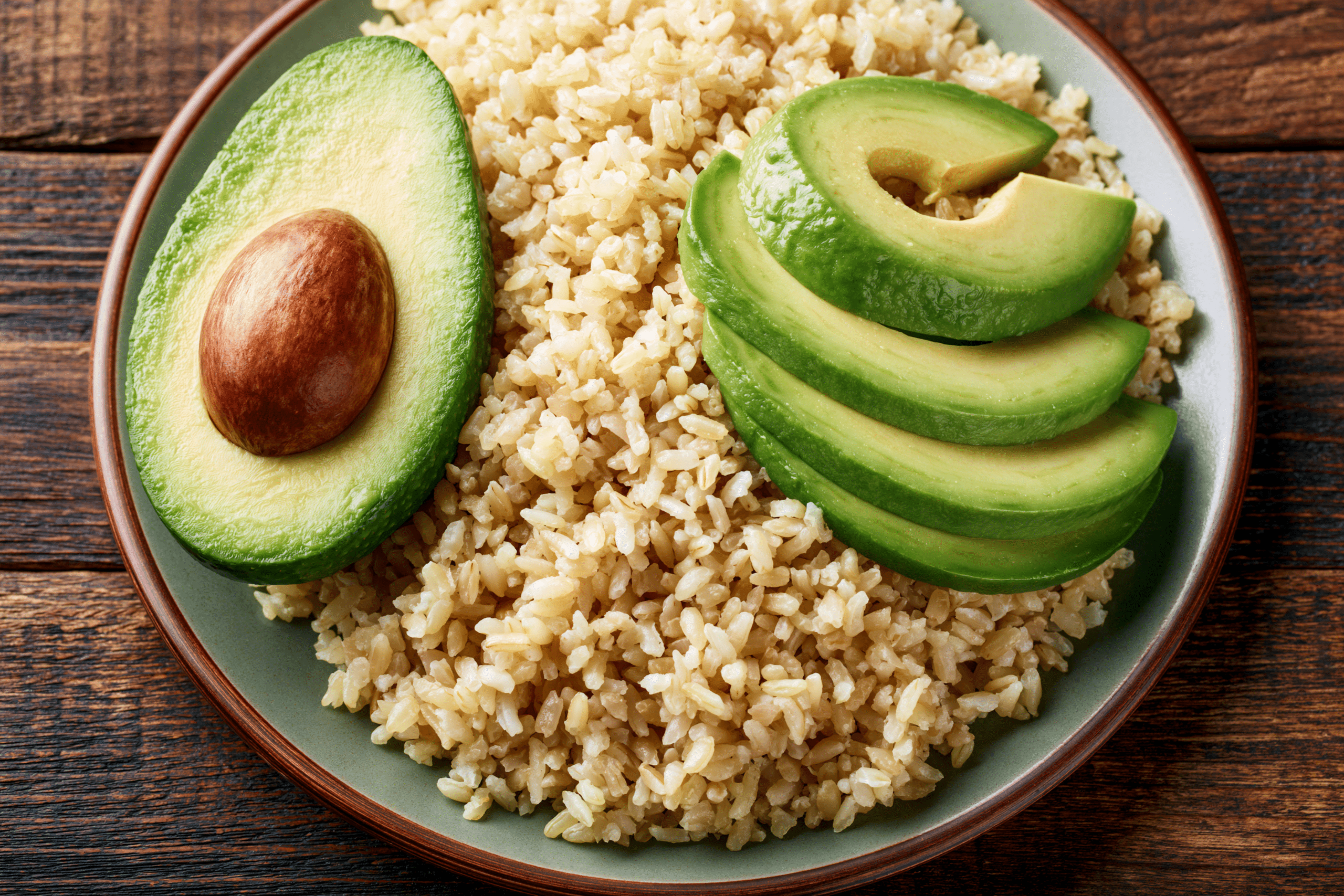
Do these food groups provide energy and essential functions for your body? Absolutely, complex starches and beneficial lipids are vital for both energy and numerous bodily processes. Starches are your body’s primary fuel source. They power your workouts and daily activities. Opt for whole-grain options like brown rice or whole-wheat bread. These provide sustained energy release. Furthermore, good lipids are crucial for hormone production and nutrient absorption. They also contribute to cell health. Include sources such as avocados, olive oil, and seeds in your daily intake. Balancing these elements is key for a comprehensive approach to achieving your fitness goals.
Foods to Prioritize for Weight Loss and Muscle Gain
What foods should you prioritize for successful body recomposition? Focus on nutrient-dense options to fuel your body effectively. Incorporate plenty of lean animal protein and plant-based protein sources. These support muscle repair and growth. Examples include turkey, Greek yogurt, and legumes. Next, choose complex starches for sustained energy. Brown rice, whole-grain pasta, and starchy vegetables are excellent choices. Don’t forget beneficial lipids from sources like avocados and olive oil. These are essential for hormone function and overall wellness. Additionally, include a wide variety of colorful vegetables and berries. This provides essential vitamins, minerals, and antioxidants.
Lean Proteins and Healthy Fats
How do rich protein sources and beneficial lipids contribute to your overall well-being? Both are fundamental for achieving a balanced lifestyle and fitness objectives. Quality protein is essential for muscle growth and repair. It also helps with satiety. This can support your efforts to reduce body fat. Consider choices like turkey breast, Greek yogurt, or various legumes. These provide the necessary building blocks. Additionally, beneficial lipids are vital for hormone function and nutrient absorption. They also support brain health. Incorporate sources such as avocados, olive oil, and seeds into your daily intake. These choices provide sustained energy and support vital bodily functions.
Complex Carbohydrates and Fiber-Rich Foods
Do complex starches and fiber-packed foods play a crucial role in your nutrition strategy? Absolutely, they are fundamental for sustained energy and digestive wellness. These food types release glucose slowly. This prevents sudden spikes in blood sugar levels. Consider whole grains like brown rice or whole-wheat bread. They provide a steady fuel source for your workouts. Furthermore, fiber supports a healthy digestive system. It also helps you feel full longer. This can aid in managing your caloric intake. Include items such as lentils, beans, and berries in your daily meals. These choices are excellent for a comprehensive approach to your weight loss and muscle gain goals.
Foods to Limit or Avoid for Optimal Progress
What foods should you limit or avoid to optimize your progress? Certain items can hinder your efforts to achieve a leaner physique and increased strength. Processed foods, high in added sugars and unhealthy oils, are prime examples. They offer little nutritional value. Sugary drinks like sodas and many fruit juices also contribute empty calories. These can impede your journey. Additionally, excessive amounts of saturated and trans fats found in fried items or fast food can negatively impact your goals. Opt for nutrient-dense alternatives instead. This mindful approach helps you stay on track.
Sample Meal Plan for Weight Loss and Muscle Gain
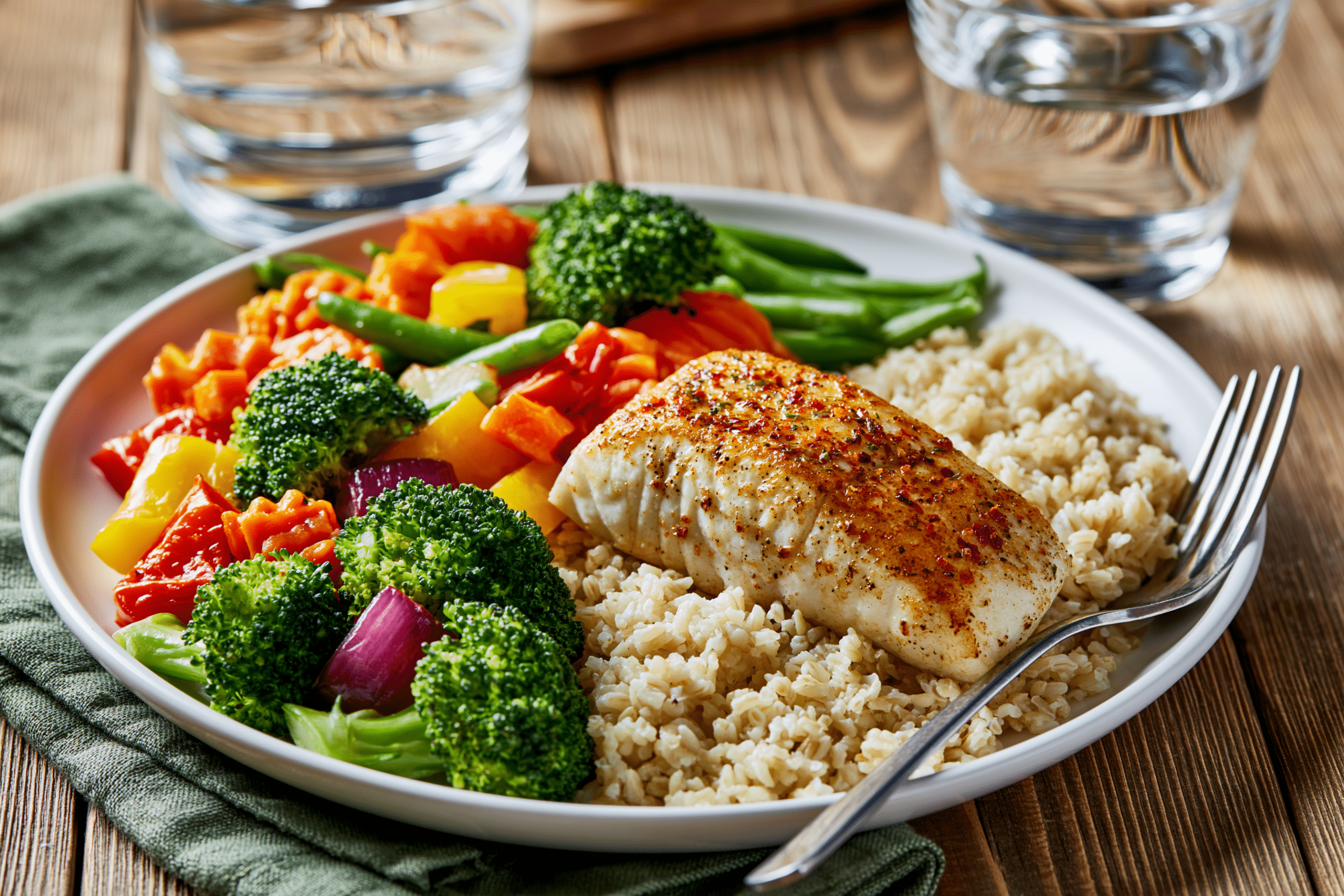
Are you looking for a structured approach to your daily nourishment? Here is a sample schedule designed to support both fat reduction and increased muscle mass. This guide offers a framework. You can adjust it based on your personal preferences and caloric needs. For breakfast, consider a protein-packed start. What about scrambled whites with spinach? You could also add a slice of avocado. Mid-morning, a handful of almonds makes a great snack. Lunch might feature grilled turkey breast. Pair this with a large mixed greens salad. Include a light vinaigrette dressing. An afternoon snack could be Greek style yogurt. Top it with a few berries. Dinner options include baked cod. Serve this with steamed broccoli. A small portion of brown rice complements this well. Remember to stay hydrated throughout your day.
| Meal | Example |
|---|---|
| Breakfast | Scrambled egg whites with spinach, avocado slice |
| Mid-morning Snack | Almonds |
| Lunch | Grilled turkey breast, mixed greens salad with vinaigrette |
| Afternoon Snack | Greek yogurt with berries |
| Dinner | Baked cod, steamed broccoli, brown rice |
A Day-by-Day Example
How can a daily schedule look when focusing on body recomposition? Here is a detailed example to guide your nutritional choices. This structure supports both fat reduction and muscle development. It provides a clear blueprint for your week.
| Day | Breakfast | Lunch | Dinner | Snacks |
|---|---|---|---|---|
| Monday | Scrambled whites, spinach, avocado | Turkey breast, large salad | Baked cod, broccoli, brown rice | Almonds, Greek yogurt with berries |
| Tuesday | Protein shake, banana | Lentil soup, small whole wheat roll | Shrimp stir-fry, bell peppers | Apple slices, cottage cheese |
| Wednesday | Cottage cheese, peaches | Large mixed greens salad with chickpeas | Ground turkey patties, green beans | Rice cakes with almond butter, hard-boiled whites |
| Thursday | Smoothie with greens, seeds | Tuna salad (no mayo), celery sticks | Grilled steak, asparagus | Orange, handful of walnuts |
| Friday | Greek yogurt, sprinkle of granola | Leftover grilled steak, side salad | Baked cod, roasted Brussels sprouts | Edamame, small pear |
| Saturday | Pancakes made with protein powder | Large bowl of chili (bean-based) | Roasted pork tenderloin, mixed greens | Protein bar, handful of grapes |
| Sunday | Omelet with various garden produce | Turkey and veggie wrap | Grilled flank steak, corn on the cob | Rice crackers, hummus |
This illustrative schedule offers variety. It also ensures consistent nutrient intake. Adjust portion sizes to match your specific energy requirements. Remember to stay hydrated throughout each day.
Customizing Your Plan
How can you tailor your nutritional strategy to fit your individual needs? Personalizing your approach is crucial for achieving your fitness goals. Consider your unique metabolic rate and activity level. These factors directly influence your caloric requirements. Adjust portion sizes based on your progress. Are you gaining mass or reducing body fat? Your body’s response will guide further modifications. Experiment with different food sources. Find what satisfies you and provides sustained energy. For example, some individuals thrive on a slow cooker chicken wild rice soup. Others prefer a lighter lunch. Listen to your body’s signals. This helps you determine optimal meal timing.
Supplements to Consider for Enhanced Results
Can certain supplements enhance your progress toward a sculpted physique? While whole foods form the cornerstone of any effective program, some additions can provide benefits. Consider exploring options that complement your intake of nourishment. These can support both building physical mass and reducing excess mass. Protein powders are a popular choice. They help meet elevated protein needs for muscle repair and growth. Creatine monohydrate can also boost strength and power during workouts. Furthermore, omega-3 fatty acids offer general wellness support. They help reduce exercise-induced soreness. A multivitamin can fill any nutritional gaps. Always consult a healthcare professional before adding new supplements. This ensures they align with your specific needs.
Tips for Sustained Success and Overcoming Challenges
How do you maintain progress and navigate obstacles on your fitness journey? Consistency is vital for long-term achievement. Establish a routine that fits your daily life. This makes adherence much easier. Prepare meals in advance. This prevents impulsive, less nutritious choices. For example, a crockpot chicken enchiladas casserole can provide several servings. Track your food intake and exercise. This helps identify areas for improvement. Stay hydrated throughout the day. Drink plenty of water. Expect setbacks; they are a normal part of any transformation. Do not let minor deviations derail your efforts. Simply recommit to your objectives. Adjust your approach as needed. Celebrate small victories along the way. This keeps motivation high. Seek support from friends or family. They can provide encouragement.
Frequently Asked Questions About Meal Planning for Weight Loss and Muscle Gain
How do I create a regimen for reducing mass and building physique?
Begin by calculating your daily caloric needs. Then, distribute these calories into appropriate portions of protein, complex starches, and beneficial lipids. Focus on nutrient-dense, unprocessed foods to support your fitness objectives. Consistency is key for achieving results.
What foods should I eat for reducing mass and building physique?
Prioritize high-quality protein sources like turkey, lean beef, and legumes. Include complex starches such as brown rice and lentils for sustained energy. Don’t forget sources of good oils like avocados and olive oil. These selections fuel your body effectively.
How many calories do I need for reducing mass and building physique?
Your exact caloric intake depends on factors like age, activity level, and current body composition. Generally, aim for a slight caloric deficit to encourage mass reduction while ensuring enough fuel for muscle development. Consulting a nutritionist can provide personalized guidance. For example, consider incorporating balanced dishes like a chicken casserole into your routine.
Is it possible to reduce mass and gain muscle at the same time?
Yes, it is possible, especially for individuals new to strength training or those with a higher body mass index. This process, often called body recomposition, requires precise nutrition and a consistent exercise routine. It focuses on reducing adipose tissue while simultaneously increasing muscle mass.
What are the benefits of a combined mass reduction and muscle building approach?
This combined strategy enhances your metabolic rate, as muscle tissue burns more energy at rest. Additionally, it improves body composition, leading to a more toned physique and increased strength. This holistic approach supports overall wellness and long-term physical performance. A slow cooker garlic herb pot roast can be a great addition to this approach.
Weight Loss & Muscle Gain Sample Meal Plan

Ingredients
- Egg whites
- Spinach
- Avocado
- Almonds
- Turkey breast
- Mixed greens
- Vinaigrette dressing
- Greek yogurt
- Berries
- Cod fillet
- Broccoli
- Brown rice
- Water (for hydration)
Instructions
- Breakfast: Scramble egg whites with fresh spinach. Serve with a slice of avocado.
- Mid-morning Snack: Enjoy a handful of almonds.
- Lunch: Grill a turkey breast. Serve with a large mixed greens salad dressed with a light vinaigrette.
- Afternoon Snack: Have a serving of Greek yogurt topped with a few berries.
- Dinner: Bake a cod fillet. Serve with steamed broccoli and a small portion of brown rice.
- Throughout the day: Remember to stay well-hydrated by drinking plenty of water.