Discover the Warmth of Homemade Gluten Free Pasta Dough
As the crisp autumn air begins to weave its way through our days, there’s a magical shift that happens in our kitchens. It’s the season that calls for cozy gatherings, warm meals, and comforting traditions. The thought of a steaming pot of freshly made pasta, perhaps tossed with a simple sage brown butter sauce or a hearty tomato ragù, sends warmth spiraling through your home. This Gluten Free Pasta Dough recipe taps into those cozy vibes while ensuring everyone, including those with gluten sensitivities, can enjoy the wonderful simplicity of homemade pasta. Not only is it a reader favorite for its taste and texture, but it also brings a sense of nostalgia, reminding us of family gatherings and cherished meals.
Ingredients List
Before we dive into the heart of the recipe, let’s gather our ingredients. Here’s what you’ll need to make your own Gluten Free Pasta Dough:
- 2 cups gluten-free all-purpose flour (certified gluten-free for safety)
- 3 large eggs
- 1 tablespoon olive oil
- 1/2 teaspoon salt
- 1 tablespoon water (additional as needed)
Step-by-Step Instructions
Making Gluten Free Pasta Dough is a rewarding process, and the results are absolutely delicious. Follow these simple steps:
Combine Dry Ingredients: In a large bowl, mix the gluten-free flour and salt together.
Add Eggs and Oil: Create a well in the center of the flour, and add the eggs and olive oil.
Mix Together: Using a fork, gradually pull the flour into the egg mixture, mixing until combined. The dough may appear crumbly; that’s perfectly fine at this stage.
Knead the Dough: Transfer the mixture to a clean surface and knead it with your hands. If the dough feels too dry, add a teaspoon of water at a time until it becomes smooth and elastic. This should take about 5 to 7 minutes.
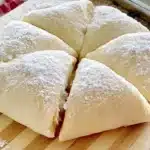
Rest the Dough: Wrap the kneaded dough in plastic wrap or cover it with a clean towel. Let it rest for 30 minutes at room temperature. This helps the flour absorb the liquid and makes rolling it out easier.
Roll Out the Dough: Divide the dough into smaller portions. Using a rolling pin or a pasta machine, roll the dough to your desired thickness.
Cut into Shapes: Whether you’re aiming for tagliatelle, lasagna sheets, or fettuccine, now’s the time to cut your pasta into your preferred shape.
Cook the Pasta: Bring a large pot of salted water to a boil and cook the pasta for 2 to 3 minutes or until it floats to the top.
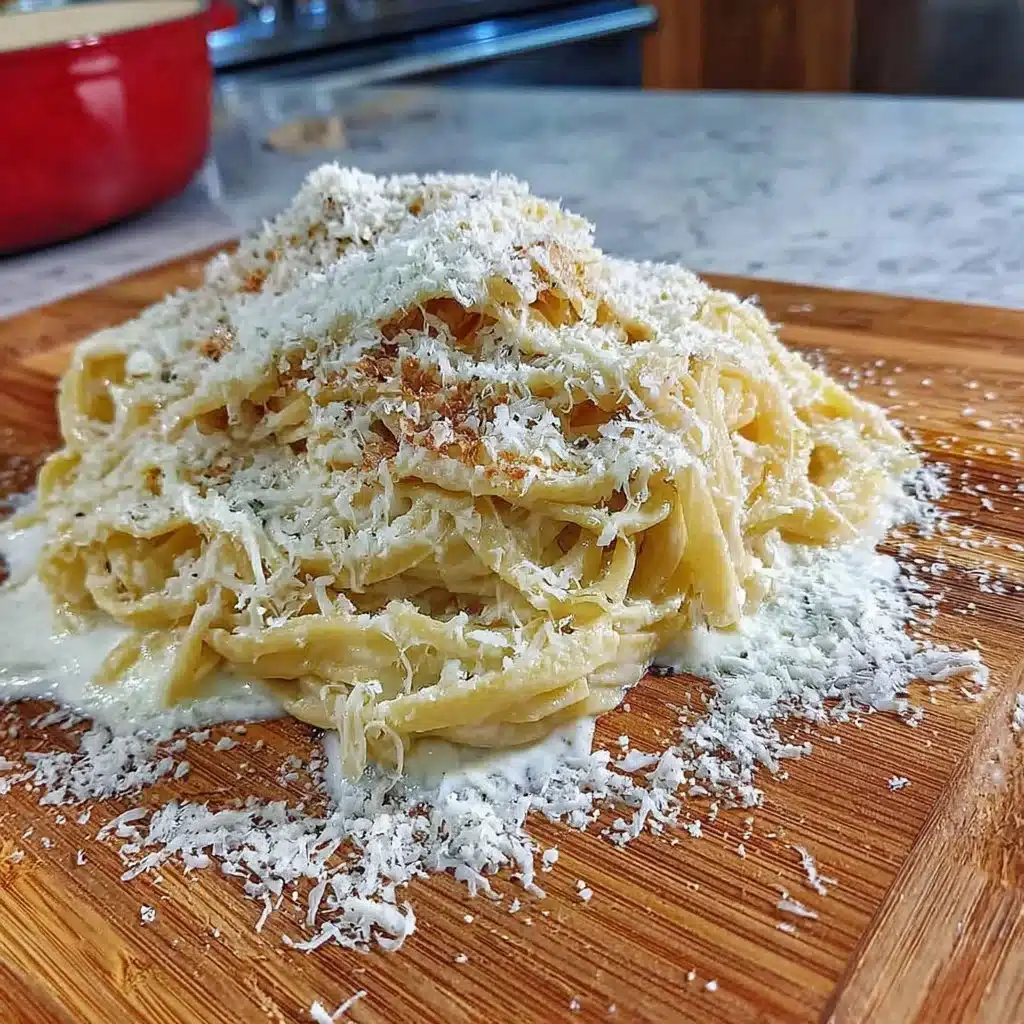
Serve with Your Favorite Sauce: Toss your freshly cooked pasta with your favorite seasonal sauce and delight in every bite!
Tips for Success
Choose the Right Flour: Opt for a high-quality gluten-free all-purpose flour for the best results. Look for blends that contain xanthan gum, as this will help bind the dough.
Don’t Overwork the Dough: Knead just until the dough is smooth; over-kneading can lead to a tough pasta.
Adjust Water Carefully: Gluten-free dough can dry quickly, so add water slowly to avoid making it too sticky.
Practice Patience While Rolling: If you find your dough is too elastic and springs back when you roll it out, let it rest a bit longer.
Possible Variations
Experimenting with flavors can take your Gluten Free Pasta Dough to new heights! Here are a few fun variations:
Herbed Dough: Incorporate finely chopped herbs such as basil, parsley, or thyme into the dough for added flavor.
Vegetable-Infused Pasta: Puree cooked spinach, carrots, or beets, and substitute some of the eggs in the recipe with the puree for colorful pasta.
Streusel Topping: After cooking your pasta, you can sprinkle a delicious streusel topping made from gluten-free breadcrumbs and herbs for a crunchy texture.
Storage Recommendations
Fresh pasta is best when cooked immediately, but if you need to store it:
Dried Pasta: Allow it to air-dry for about an hour on a floured surface, then store in an airtight container for up to a month.
Refrigerated Fresh Pasta: You can refrigerate your fresh pasta for a couple of days, but be sure to lightly dust it with flour to prevent sticking.
Freezing: If you wish to freeze your pasta, place it in a single layer on a baking sheet until firm, then transfer to a freezer-safe bag. It can last up to 3 months frozen.
Conclusion
Creating your own Gluten Free Pasta Dough is an exciting way to embrace the flavors of fall while catering to those with dietary restrictions in your family or friends circle. Not only does homemade gluten-free pasta taste incredible, but it also provides a satisfying culinary experience that can be shared with loved ones. For more delicious ideas, consider exploring homemade options like this delightful pasta recipe that showcases how easy and delicious gluten-free cooking can be.
FAQs
1. Can I make Gluten Free Pasta Dough without eggs?
Yes! You can substitute eggs with aquafaba (the liquid from canned chickpeas) or commercial egg replacements. The texture may vary, so experimenting might be necessary.
2. How long can I store Gluten Free Pasta Dough in the fridge?
Uncooked gluten-free pasta can be stored in the fridge for up to 2 days. Be sure to cover it well to prevent drying out.
3. What types of sauces work best with gluten-free pasta?
Gluten-free pasta pairs excellently with all types of sauces, including pesto, marinara, and creamy alfredo. Seasonal sauces with vegetables are also delightful!
4. Can I use any type of gluten-free flour for this recipe?
While you can try different gluten-free flours, it’s best to use a dedicated gluten-free all-purpose flour mix that includes xanthan gum for the best results.
Gluten Free Pasta Dough
Ingredients
Pasta Dough Ingredients
- 2 cups gluten-free all-purpose flour (certified gluten-free for safety) Choose a high-quality flour that contains xanthan gum.
- 3 large eggs Can substitute with aquafaba or commercial egg replacements.
- 1 tablespoon olive oil
- 1/2 teaspoon salt
- 1 tablespoon water (additional as needed) Add gradually if dough feels dry.
Instructions
Preparation
- In a large bowl, mix the gluten-free flour and salt together.
- Create a well in the center of the flour, and add the eggs and olive oil.
- Using a fork, gradually pull the flour into the egg mixture, mixing until combined. The dough may appear crumbly at this stage.
- Transfer the mixture to a clean surface and knead it with your hands. If the dough feels too dry, add a teaspoon of water at a time until it becomes smooth and elastic. This should take about 5 to 7 minutes.
- Wrap the kneaded dough in plastic wrap or cover it with a clean towel. Let it rest for 30 minutes at room temperature to help the flour absorb the liquid.
Rolling and Shaping
- Divide the dough into smaller portions. Using a rolling pin or a pasta machine, roll the dough to your desired thickness.
- Cut your pasta into your preferred shape, whether it’s tagliatelle, lasagna sheets, or fettuccine.
Cooking
- Bring a large pot of salted water to a boil and cook the pasta for 2 to 3 minutes or until it floats to the top.
- Toss the freshly cooked pasta with your favorite seasonal sauce and enjoy!