
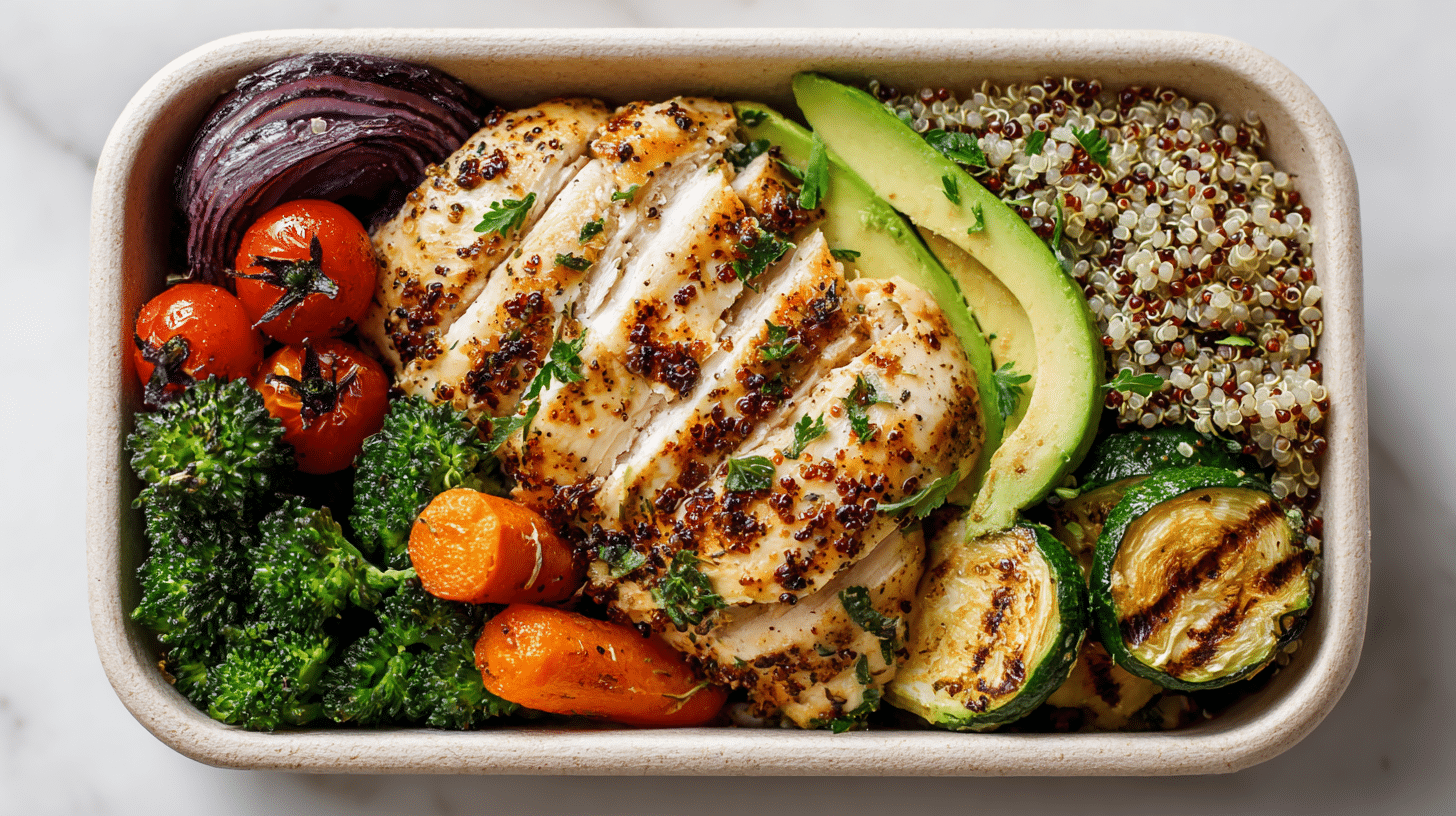
Fat Loss Lunch Boxes (Gluten Free) are one of those things that make life easier, especially in fall. It’s the season when routines shift, the air gets crisp, and warm, filling meals become a form of comfort. But for those of us focused on healthy eating or weight loss, finding the balance between satisfying and light can be tricky. That’s where these gluten-free lunch boxes come in.
Ciao! I’m Matteo Romano, Tuscan-born chef turned gluten-free recipe creator. I didn’t start my career cooking this way. I trained in traditional Italian kitchens, flour dust in the air, fresh bread on the table, pasta every night. But years of unexplained fatigue eventually led me to a diagnosis: gluten intolerance. That moment turned everything upside down.
Recreating my favorite meals without wheat wasn’t easy, but I refused to lose the flavors I loved. These Fat Loss Lunch Boxes (Gluten Free) became one of my staples, easy to prepare, deeply flavorful, and perfect for busy weekdays.
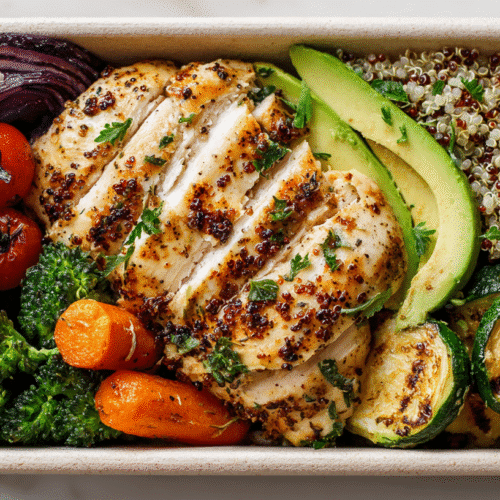
Fat Loss Lunch Boxes (Gluten Free)

Equipment
- sheet pan
- mixing bowls
- Steamer Basket
- meal prep containers
Ingredients
Choose a Protein
- 4 oz grilled chicken breast per serving
Add a Complex Carb
- 0.5 cup quinoa or brown rice cooked
Load on the Veggies
- 1 cup roasted broccoli or zucchini or other seasonal veggies
Add a Healthy Fat
- 0.25 avocado or 2 tbsp tahini
Boost the Flavor (optional)
- fresh lemon juice or balsamic glaze to taste
- herbs or spices e.g. garlic, cumin, paprika, parsley
Instructions
- Prep your protein: Grill or bake 3–4 chicken breasts with olive oil, lemon juice, and garlic until cooked through. Slice or cube for easy portioning.
- Cook your complex carbs: Roast sweet potatoes at 400°F (200°C) for 25 minutes with olive oil and paprika. Alternatively, cook quinoa or rice in veggie broth for added flavor.
- Prepare the vegetables: Roast broccoli or zucchini for 20 minutes, or steam green beans or asparagus until tender (5–7 minutes).
- Assemble the lunch boxes: In each container, add 4 oz protein, ½ cup cooked carbs, 1 cup vegetables, and ¼ avocado or 2 tbsp tahini.
- Store: Refrigerate in airtight containers for up to 4 days. Keep sauces and avocado separate until serving for best freshness.
Notes
Nutrition
Ingredients for Balanced Fat Loss Lunch Boxes
A great lunch box is all about balance: lean protein, complex carbs, colorful veggies, and healthy fats. It should taste amazing, keep you full, and support your goals. Here’s a flexible formula:
Choose a Protein:
- Grilled chicken breast
- Turkey meatballs (try these cranberry-glazed ones)
- Hard-boiled eggs
- Tofu or tempeh
Add a Complex Carb:
- Quinoa
- Roasted sweet potatoes
- Brown rice
- Lentils
Load on the Veggies:
- Roasted broccoli or zucchini
- Steamed green beans
- Cherry tomatoes, shredded carrots, or mixed greens
- Try pairing with sweet potato & black bean bowls for ideas
Add a Healthy Fat:
- Avocado slices
- Tahini drizzle
- A scoop of hummus
Boost the Flavor:
- Fresh lemon juice or balsamic glaze
- Garlic, cumin, smoked paprika
- Fresh herbs: parsley, basil, dill
Make a few variations during prep, and your weekly lunches will feel anything but boring.
Step-by-Step: How to Prep Your Fat Loss Lunch Boxes (Gluten Free)
Meal prep doesn’t have to be overwhelming. Follow these steps and you’ll have Fat Loss Lunch Boxes (Gluten Free) ready in under an hour.
1. Prep Your Proteins
- Bake or grill 3–4 chicken breasts with olive oil, lemon, and garlic.
- Or make easy turkey meatballs and bake them on a sheet pan.
2. Cook the Carbs
- Roast sweet potato cubes at 400°F for 25 minutes with olive oil and paprika.
- Cook 1 cup quinoa or brown rice in veggie broth for extra flavor.
3. Roast or Steam the Veggies
- Toss broccoli and zucchini with salt and roast for 20 minutes.
- Steam green beans or asparagus for 5–7 minutes until just tender.
4. Assemble the Boxes
Use BPA-free glass or portioned containers. A typical lunch box might include:
- 4 oz chicken
- ½ cup quinoa
- 1 cup roasted veggies
- ¼ avocado or 2 tbsp tahini
This setup also works beautifully with recipes like roasted salmon with broccoli or teriyaki chicken and veggie bowls.
Tips for Success: Keep It Easy, Flavorful, and Fresh
- Batch Cook Smart: Prep protein and carbs in large batches, then mix and match.
- Use Seasonal Produce: Fall veggies like Brussels sprouts, squash, or carrots keep things cozy.
- Portion Wisely: For fat loss, stay mindful of portions. Use a scale if needed.
- Add Fresh Toppings Daily: Keep avocado or dressings separate until ready to eat.
You can even add one of these quick gluten-free soups on the side if you want extra volume.
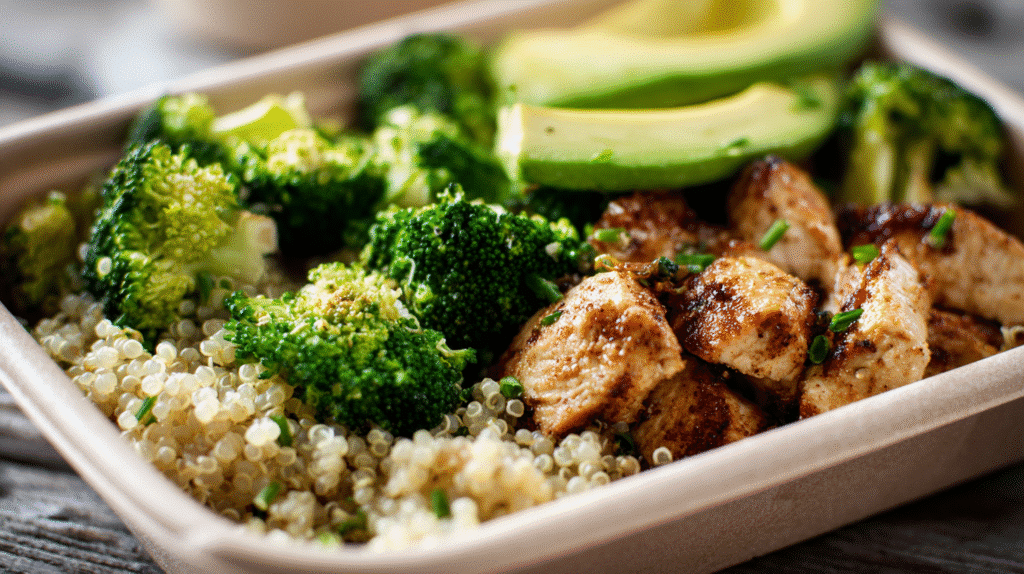
Recipe Variations to Try
Make it Vegan
Swap meat for grilled tofu, tempeh, or a scoop of chickpea salad. Roasted lentils also make a hearty protein swap.
Add a Sauce
Elevate your lunch with homemade sauces like:
- Green tahini
- Spicy harissa yogurt
- Balsamic honey glaze
Or try a version like this Greek chicken bowl with rice for Mediterranean flair.
Volume Eating?
If you’re into volume eating, make your lunch bigger without raising calories by adding low-starch veggies. Use this volume eating guide to scale your meal without going hungry.
Breakfast-Lunch Crossover
Don’t forget: some meal prep breakfasts like make-ahead overnight oats can double as snacks when hunger hits early.
Storage & Shelf Life Tips
- Fridge: Store lunch boxes for up to 4 days in airtight containers. Keep sauces in a side cup.
- Freezer: Freeze cooked protein or grains in bulk. Avoid freezing avocado or greens.
- Reheat: Use microwave or stovetop. Add fresh toppings after heating.
If you’re prepping for the week, label meals by date so you rotate correctly and nothing goes to waste.
Why These Fat Loss Lunch Boxes (Gluten Free) Are a Reader Favorite
Because they work. They’re flavorful, nourishing, and leave you feeling light but satisfied. They’re also endlessly customizable. Whether you’re following a specific diet or just trying to eat more mindfully, these lunch boxes check all the boxes.
And the best part? You can prep them ahead of time, which means you’ll avoid the lunch rush panic and the temptation to grab something you’ll regret.
For even more ideas, explore my 7-day gluten-free meal plan for weight loss, designed to pair with these lunch box staples.
Conclusion
Fat Loss Lunch Boxes (Gluten Free) aren’t just trendy, they’re practical, delicious, and empowering. Whether you’re prepping for a busy workweek or just want to eat better without effort, these meals are a game-changer. With just a little planning, you’ll always have something good (and good for you) ready to go.
What should I pack for a fat loss lunch?
For fat loss, focus on lean protein, complex carbs, fiber-rich vegetables, and a bit of healthy fat. Great options include grilled chicken, roasted sweet potatoes, steamed broccoli, and avocado. This combination keeps you full, supports muscle maintenance, and avoids blood sugar crashes.
Can I lose weight with lunch boxes?
Yes! Prepped lunch boxes help you stay consistent with portions and nutrition. When balanced with the right macros, Fat Loss Lunch Boxes (Gluten Free) can support healthy weight loss by eliminating the guesswork and preventing last-minute, high-calorie choices.
What lunch is best for weight loss and gluten intolerance?
The best lunch includes naturally gluten-free whole foods like quinoa, grilled meat or tofu, and fresh or roasted vegetables. These meals are filling, blood sugar-friendly, and easy to digest, ideal for anyone avoiding gluten and aiming for fat loss.
How do I make gluten-free lunches more satisfying?
Add texture, variety, and bold flavors. Roasted veggies, citrus dressings, fresh herbs, and satisfying fats like hummus or tahini make Fat Loss Lunch Boxes (Gluten Free) feel indulgent, without sacrificing your goals. Switching up proteins and spices weekly helps too.