
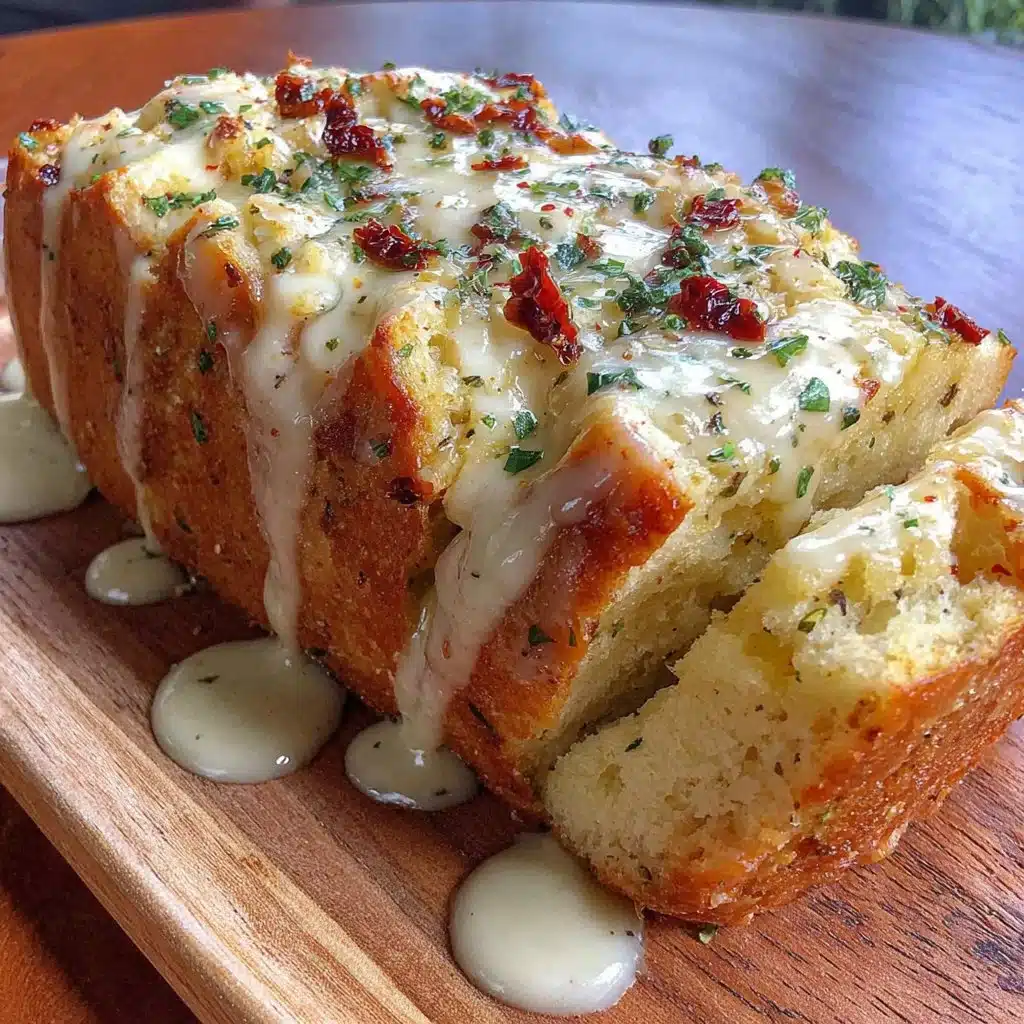
Embrace the Season with Gluten Free Potato Bread
As the leaves begin to turn brilliant shades of amber and gold, there’s nothing quite like the warm, nostalgic aroma of freshly baked bread wafting through your home. Just imagine pulling a loaf of Gluten Free Potato Bread out of the oven, the golden crust crackling as you slice through to expose the fluffy, tender interior. This comforting loaf is a favorite among home bakers, particularly in the fall, as it pairs beautifully with savory soups or sweet spreads. Whether you’re enjoying it for brunch with friends or as a delightful treat during cozy evenings, this recipe is certain to become a staple in your baking repertoire.
Ingredients List
To make your own Gluten Free Potato Bread, you’ll need the following ingredients:
- 2 cups mashed potatoes (about 2 medium potatoes)
- 1 cup warm milk (or a plant-based milk for a dairy-free option)
- 2 tablespoons olive oil (or melted coconut oil)
- 2 tablespoons honey (or maple syrup for a vegan option)
- 1 teaspoon salt
- 2 cups gluten-free all-purpose flour
- 1 packet (2 1/4 teaspoons) active dry yeast
- 1/2 teaspoon baking soda
- 1 teaspoon xanthan gum (if not already included in your flour blend)
- 1 teaspoon garlic powder (optional, for a savory touch)
Step-by-Step Instructions
1. Prepare the Potatoes:
- Begin by peeling and chopping the potatoes into chunks.
- Boil the potatoes in a pot of salted water until tender, about 15 to 20 minutes.
- Drain and mash the potatoes until smooth. Let them cool slightly.
2. Activate the Yeast:
- In a small bowl, combine warm milk and one tablespoon of honey. Sprinkle in the yeast. Allow it to sit for about 5-10 minutes, until it becomes frothy.
3. Mix the Dough:
- In a large mixing bowl, combine the mashed potatoes, olive oil, remaining honey (or maple syrup), and salt. Mix well.
- Add the activated yeast mixture and stir until combined.
- Gradually add in the gluten-free all-purpose flour, baking soda, xanthan gum, and garlic powder (if using). Mix until a dough forms.
4. Knead the Dough:
- Turn the dough out onto a floured surface and knead gently for about 2-3 minutes until it comes together. It will be sticky but should be manageable.
5. First Rise:
- Shape the dough into a ball and place it in a greased bowl. Cover with a clean kitchen towel and let it rise in a warm, draft-free area for about an hour or until doubled in size.
6. Shape the Loaf:
- Once risen, punch the dough down to release air bubbles. Shape it into a loaf and place it in a greased 9×5-inch loaf pan.
7. Second Rise:
- Cover the loaf with a towel and let it rise again for about 30 minutes.
8. Bake:
- Preheat your oven to 375°F (190°C). Bake for 30-35 minutes or until the top is golden brown and sounds hollow when tapped.
9. Cool:
- Remove the bread from the oven and allow it to cool in the pan for 10 minutes before transferring it to a wire rack to cool completely.
Tips for Success
- Use Fresh Yeast: Ensure your yeast is fresh for the best rise. If it’s past its expiration date, it may not proof properly.
- Adjust Flour as Needed: Gluten-free flours can vary. If your dough seems too sticky, add an extra tablespoon of flour at a time until you achieve a manageable consistency.
- Warm Environment: Creating a warm environment for your dough to rise will help with the fermentation process. You can preheat your oven to the lowest setting, turn it off, then place the dough inside with the door slightly ajar.
Possible Variations
- Herbed Potato Bread: Add a tablespoon of chopped fresh herbs like rosemary or thyme to the dough for a fragrant variation.
- Streusel Topping: For a sweet twist, consider making a gluten-free streusel topping. Combine 1/2 cup gluten-free flour, 1/4 cup coconut sugar, and 1/4 cup melted coconut oil. Sprinkle this on top before the second rise for a crispy, sweet crust.
- Cheese Lover’s Delight: Fold in small cubes of your favorite cheese into the dough for a cheesy, savory loaf.
Storage Recommendations
- Room Temperature: Your Gluten Free Potato Bread can be stored at room temperature in an airtight container for up to 3 days.
- Freezing: For longer storage, slice the bread and freeze it in a single layer in a zip-top bag. To enjoy, simply toast slices straight from frozen or let thaw at room temperature.
Conclusion
Baking your own Gluten Free Potato Bread not only fills your home with comforting aromas but also creates a deliciously versatile bread that’s perfect for any meal. From hearty breakfasts to cozy dinners, this bread is sure to delight everyone at your table. Don’t hesitate to experiment with the suggested variations to make it your own! For a more detailed look at the process, check out this amazing Gluten-Free Potato Bread recipe.
FAQs
1. Can I use instant yeast instead of active dry yeast?
Yes, you can use instant yeast. Just mix it directly into the dry ingredients without proofing it first.
2. What can I substitute for honey in this recipe?
Maple syrup or agave nectar works well as a substitute for honey if you’re looking for a vegan option.
3. Can I make this bread without potatoes?
You can experiment with cooked sweet potatoes or pumpkin puree for different flavors, though the original recipe is designed to be made with regular potatoes.
4. Why did my gluten-free bread turn out dense?
Dense bread could be a result of not using enough leavening agent or insufficient rising time. Ensure your yeast is fresh and allow the dough enough time to rise in a warm environment.

Gluten Free Potato Bread
Ingredients
Main Ingredients
- 2 cups mashed potatoes (about 2 medium potatoes)
- 1 cup warm milk (or a plant-based milk for a dairy-free option)
- 2 tablespoons olive oil (or melted coconut oil)
- 2 tablespoons honey (or maple syrup for a vegan option)
- 1 teaspoon salt
- 2 cups gluten-free all-purpose flour
- 1 packet (2 1/4 teaspoons) active dry yeast
- 1/2 teaspoon baking soda
- 1 teaspoon xanthan gum (if not already included in your flour blend)
- 1 teaspoon garlic powder (optional, for a savory touch)
Instructions
Preparation
- Peel and chop the potatoes into chunks. Boil the potatoes in a pot of salted water until tender, about 15 to 20 minutes. Drain and mash the potatoes until smooth. Let them cool slightly.
- In a small bowl, combine warm milk and one tablespoon of honey. Sprinkle in the yeast. Allow it to sit for about 5-10 minutes, until it becomes frothy.
- In a large mixing bowl, combine the mashed potatoes, olive oil, remaining honey (or maple syrup), and salt. Mix well.
- Add the activated yeast mixture and stir until combined. Gradually add in the gluten-free all-purpose flour, baking soda, xanthan gum, and garlic powder (if using). Mix until a dough forms.
- Turn the dough out onto a floured surface and knead gently for about 2-3 minutes until it comes together.
Rising
- Shape the dough into a ball and place it in a greased bowl. Cover with a kitchen towel and let it rise in a warm, draft-free area for about an hour or until doubled in size.
- Once risen, punch the dough down to release air bubbles. Shape it into a loaf and place it in a greased 9×5-inch loaf pan.
- Cover the loaf with a towel and let it rise again for about 30 minutes.
Baking
- Preheat your oven to 375°F (190°C). Bake for 30-35 minutes or until the top is golden brown and sounds hollow when tapped.
- Remove the bread from the oven and allow it to cool in the pan for 10 minutes before transferring it to a wire rack to cool completely.