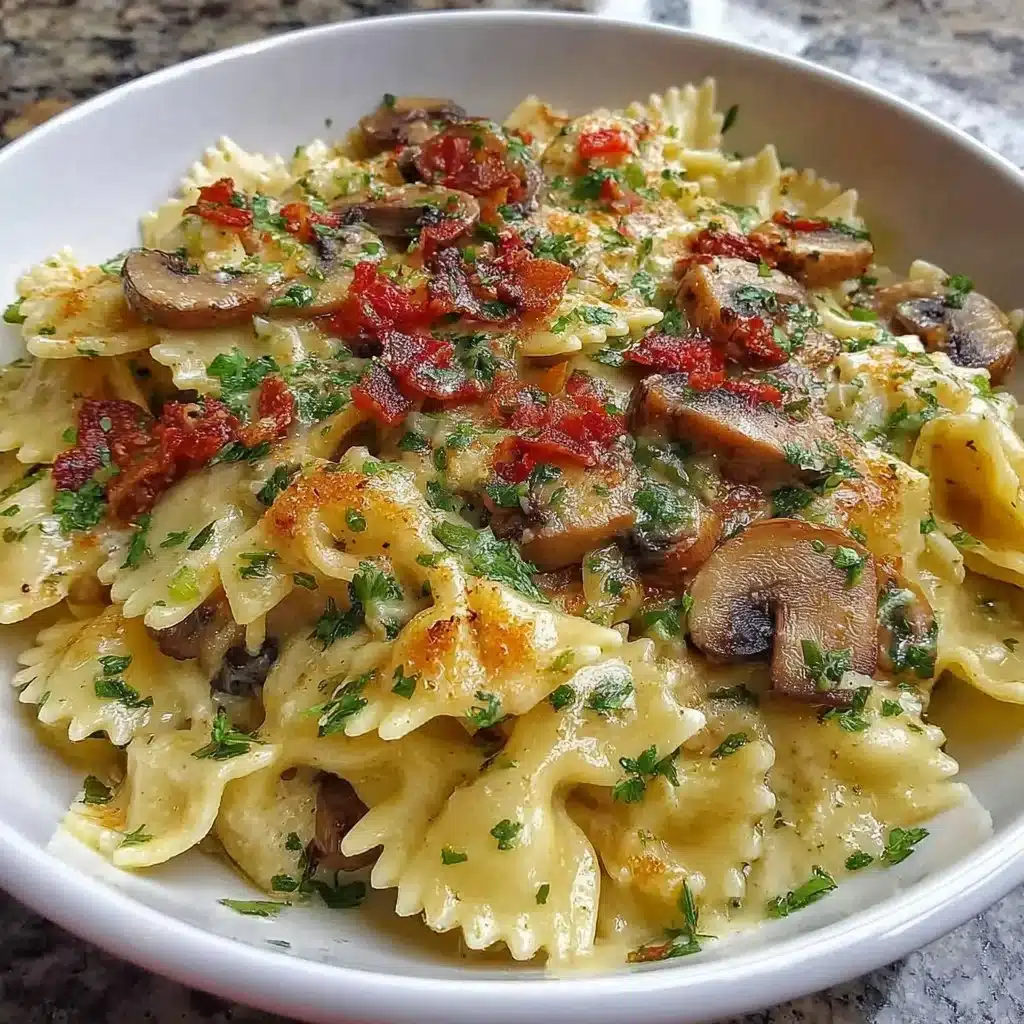
A Cozy Approach to Homemade Goodness: Gluten-Free Fresh Pasta Recipe
As the leaves turn golden and the air becomes crisp, there’s no better way to embrace the cozy vibes of fall than by cooking up something warm and comforting. Imagine a kitchen filled with the scent of fresh pasta, lovingly made from scratch. This Gluten-Free Fresh Pasta Recipe is a favorite among home bakers, allowing everyone, regardless of dietary needs, to indulge in a delightful meal. With this simple and satisfying recipe, you can create a wholesome dish that warms the heart, perfect for family gatherings or a quiet evening at home.
Ingredients List
Before rolling up your sleeves, gather everything you need. Below is the ingredient list for your homemade gluten-free pasta:
- 2 cups gluten-free all-purpose flour (make sure it’s a blend suitable for pasta)
- 3 large eggs
- 1 tablespoon olive oil
- 1/2 teaspoon salt
- Water (as needed)
Step-by-Step Instructions
Creating fresh pasta doesn’t have to be intimidating. Just follow these simple steps!
Mix Dry Ingredients: In a large mixing bowl, combine the gluten-free flour and salt, creating a well in the middle.
Add Wet Ingredients: Crack the eggs into the well of flour. Add the olive oil.
Combine: Using a fork, start to whisk the eggs gently, gradually incorporating the flour from the edges of the well. Mix until combined. If the dough feels too dry, you can add water, one teaspoon at a time, until you achieve a manageable consistency.
Knead: Transfer the dough to a floured surface and knead gently for about 5-7 minutes. The dough should be smooth and slightly elastic. Wrap it in plastic wrap and let it rest for 30 minutes. This resting period is crucial for a better texture.
Roll Out: Divide the rested dough into four portions. Roll out each portion using a pasta machine or a rolling pin until thin (about 1/8 inch thick).
Cut: Once rolled out, cut your pasta into your desired shape: fettuccine, tagliatelle, or even sheets for lasagna.
Dust and Dry: Dust the cut pasta with a little more flour to prevent sticking. If you’re not cooking it right away, hang it to dry for a few minutes or lay it flat on a floured surface.
Cook the Pasta: Boil a large pot of salted water. Once boiling, add the fresh pasta and cook for 2-4 minutes, depending on the thickness. Fresh pasta cooks much quicker than dried pasta, so keep an eye on it!
Tips for Success
Choose the Right Flour: Not all gluten-free flours are created equal! Use a good-quality blend specifically designed for making pasta.
Don’t Rush the Resting: Allowing the dough to rest is vital for achieving the right texture. This step ensures your pasta will hold together during cooking.
Use Plenty of Flour: Don’t skimp on the flour when rolling and cutting; this helps prevent sticking.
Fresh Ingredients: For the best taste, use fresh, high-quality eggs and olive oil.
Possible Variations
This Gluten-Free Fresh Pasta Recipe is incredibly versatile! Here are a few ways you can switch things up:
Herb-Infused Dough: Add finely chopped fresh herbs like basil or spinach to the dough for a colorful twist.
Streusel Topping: For a bit of sweetness in a savory pasta dish, try adding a crispy streusel topping made with gluten-free breadcrumbs mixed with butter and cheese.
Sauce Pairing: Serve with your favorite sauces! A rich marinara, creamy Alfredo, or a white wine garlic sauce would pair perfectly with this pasta.
Storage Recommendations
If you have extra pasta, it’s essential to store it correctly:
Fresh Pasta: If you plan to cook it later the same day, keep it covered with a clean kitchen towel. Cook within a few hours.
Refrigeration: For storage longer than that, refrigerate fresh pasta in an airtight container and use it within two days.
Freezing: For longer storage, freeze the cut pasta on a baking sheet in a single layer. Once frozen, transfer it to a zip-top bag. It can be kept in the freezer for up to 2 months. Just drop it directly into boiling water without thawing!
Conclusion
Crafting your own gluten-free fresh pasta is not just a cooking process; it’s an experience that brings warmth and joy to your kitchen. Whether you’re making it for special occasions or everyday meals, this Gluten-Free Fresh Pasta Recipe offers an incredible way to share love through food. Enjoy the comfort of fresh pasta made from scratch, perfect for those cozy fall evenings with family or friends. Don’t forget to check out more delicious ideas, including this simple version of homemade gluten-free pasta for inspiration!
FAQs about Gluten-Free Fresh Pasta
1. Can I make gluten-free pasta without eggs?
Yes! You can substitute eggs with water or aquafaba (chickpea brine) for a vegan version, but note that the texture may differ slightly.
2. What kind of gluten-free flour should I use for pasta?
A gluten-free all-purpose flour blend made specifically for pasta is ideal. Look for one that contains xanthan gum to help bind the dough.
3. How long does fresh gluten-free pasta last?
Refrigerated fresh gluten-free pasta can last about 2 days. Alternatively, it can be frozen for up to 2 months.
4. What sauces pair well with gluten-free fresh pasta?
Creamy sauces, marinara, pesto, and olive oil-based sauces make excellent companions for gluten-free pasta. Choose based on your flavor preference!
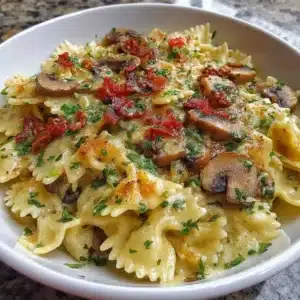
Gluten-Free Fresh Pasta
Ingredients
Pasta Ingredients
- 2 cups gluten-free all-purpose flour Make sure it’s a blend suitable for pasta.
- 3 large eggs Use fresh, high-quality eggs for the best flavor.
- 1 tablespoon olive oil
- 1/2 teaspoon salt
- as needed water Water Add water if the dough feels too dry.
Instructions
Preparation
- In a large mixing bowl, combine the gluten-free flour and salt, creating a well in the middle.
- Crack the eggs into the well of flour. Add the olive oil.
- Using a fork, start to whisk the eggs gently, gradually incorporating the flour from the edges of the well. Mix until combined. If the dough feels too dry, add water, one teaspoon at a time, until you achieve a manageable consistency.
- Transfer the dough to a floured surface and knead gently for about 5-7 minutes until smooth and slightly elastic.
- Wrap the dough in plastic wrap and let it rest for 30 minutes.
Rolling and Cutting
- Divide the rested dough into four portions.
- Roll out each portion using a pasta machine or a rolling pin until thin (about 1/8 inch thick).
- Cut your pasta into your desired shape: fettuccine, tagliatelle, or sheets for lasagna.
Drying and Cooking
- Dust the cut pasta with a little more flour to prevent sticking. If not cooking right away, hang it to dry for a few minutes or lay it flat on a floured surface.
- Boil a large pot of salted water. Once boiling, add the fresh pasta and cook for 2-4 minutes, depending on thickness.