
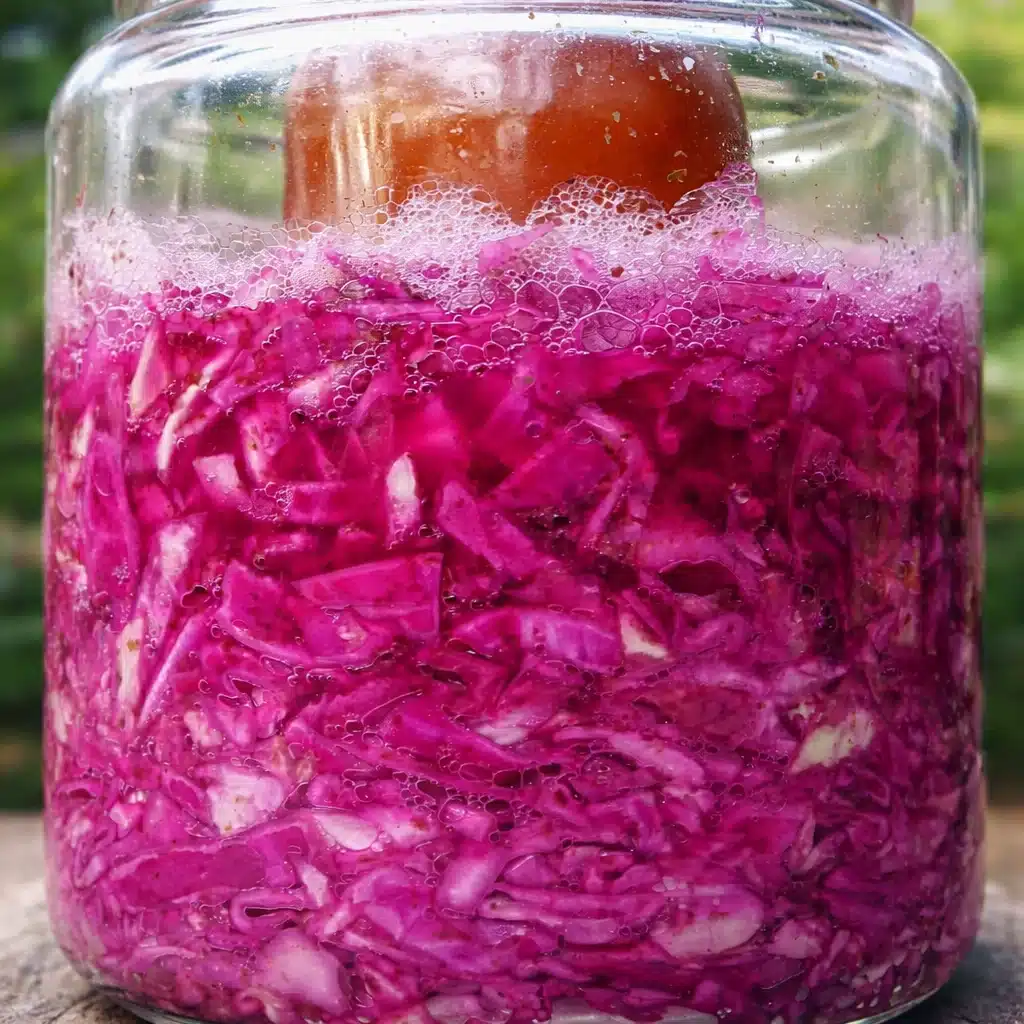
fermented cabbage is one of those foods I kept meaning to make, but I always talked myself out of it. I figured it would be complicated, or that I would somehow mess it up and waste a whole head of cabbage. Then one busy week I realized I needed something easy to add to quick meals that would make them feel fresh and flavorful. That is when I finally tried it, and honestly, it was way simpler than I expected. If you can chop cabbage and stir in salt, you can do this.
Why make fermented cabbage?
For me, it started as a lazy weeknight helper. I wanted something crunchy and tangy to toss next to eggs, chicken, or a bowl of rice without making a whole salad. Once I got into it, I realized it is also a nice way to use up a big cabbage before it goes limp in the fridge.
Here is why I keep a jar around now:
- Big flavor for very little effort. It turns plain meals into something you actually look forward to.
- Budget friendly. Cabbage is usually cheap, and the rest is just salt and a jar.
- Great with simple proteins. I love it next to roasted chicken or shrimp.
- Less food waste. One head of cabbage can stretch into lots of servings.
I also like how flexible it is. Some batches I keep plain with just salt. Other times I add garlic, caraway, or a little shredded carrot if I want a softer sweetness.
If you want an easy dinner idea where this tangy crunch fits right in, it is so good alongside low carb cabbage chicken skillet. The textures play really nicely together.
Difference between pickled and fermented cabbage
This confused me for a long time, so let me say it in normal people terms.
Pickled cabbage is usually made with vinegar. You pour a hot or cold vinegar mixture over cabbage, then you eat it once it chills and soaks up the flavor. It is quick and sharp and it stays pretty much the same over time.
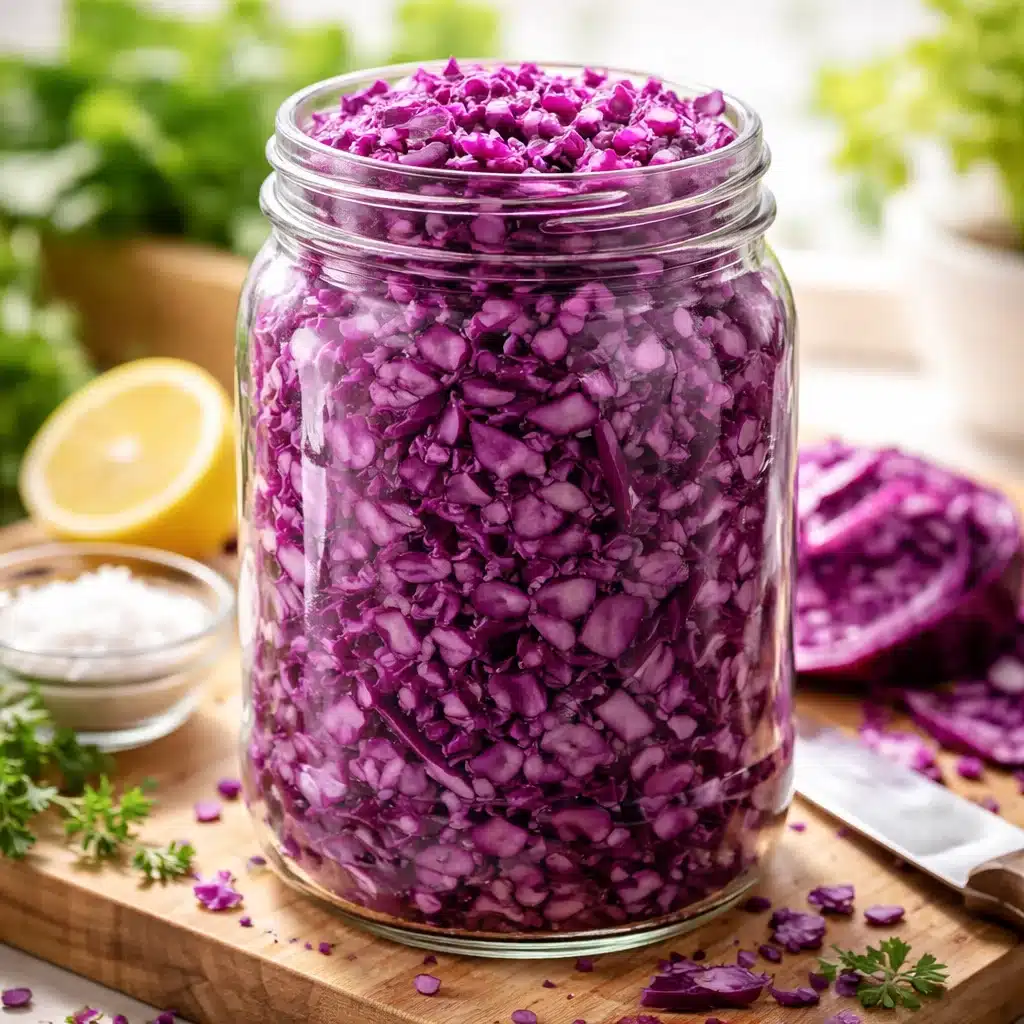
Fermented cabbage is made with salt and time. The cabbage makes its own brine as it sits, and it slowly turns tangy. The flavor develops more gradually, and the texture stays crisp if you keep the cabbage under the brine.
Both are delicious, but they have different vibes. Pickled is more like a fast condiment. Fermented tastes deeper and a little more complex, like it has been hanging out and getting to know you.
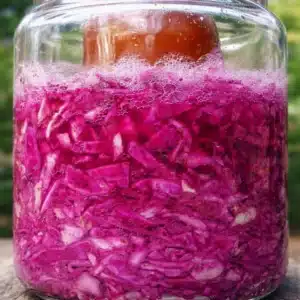
And yes, fermented cabbage can feel a bit mysterious the first time, but once you see it bubbling a little, you start trusting the process.
How to choose the right cabbage
You do not need a special kind of cabbage, but you do want a good one. A sad cabbage makes a sad jar.
Here is what I look for at the store:
Pick a heavy head. When it feels heavy for its size, it is usually crisp and juicy, which helps make plenty of brine.
Avoid lots of brown spots. A few marks are fine, but if it looks dried out or slimy, skip it.
Green or red both work. Green is classic and mild. Red makes a gorgeous pink brine and tastes a little earthier.
Outer leaves matter. If the outer leaves are clean, I save one to use as a little “lid” inside the jar to keep cabbage shreds tucked under the brine.
One more tip I learned the hard way. If your cabbage is super dry, it can be tougher to get enough liquid. In that case, just give it extra time after salting and really massage it. The brine usually shows up, it just needs encouragement.
When I am planning meals, I often buy two heads at once because cabbage disappears fast around here. If you are already in cabbage mode, you might like baked chicken with cabbage slaw on a night when you want something crunchy but not fermented.
How to make lacto-fermented cabbage
This is the part that sounds science-y, but it is basically a simple routine. You are using salt to pull liquid out of the cabbage, then letting it sit in that salty brine while it turns tangy.
What you will need
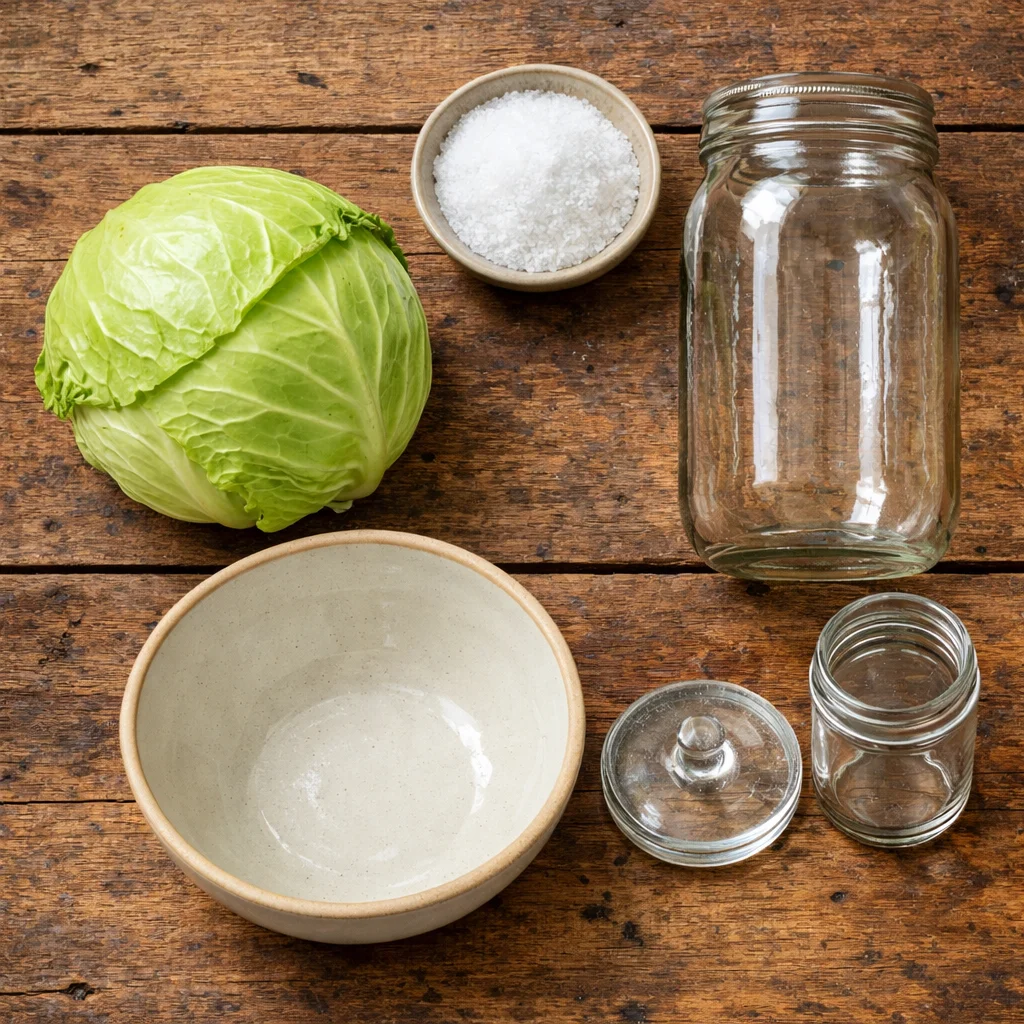
- 1 medium head of cabbage (about 2 pounds is a nice size)
- Salt (I use fine sea salt)
- 1 large clean jar (a quart jar works well)
- A bowl for mixing
- Something to weigh the cabbage down (a small jar, fermentation weight, or a clean stone in a bag)
Step by step directions
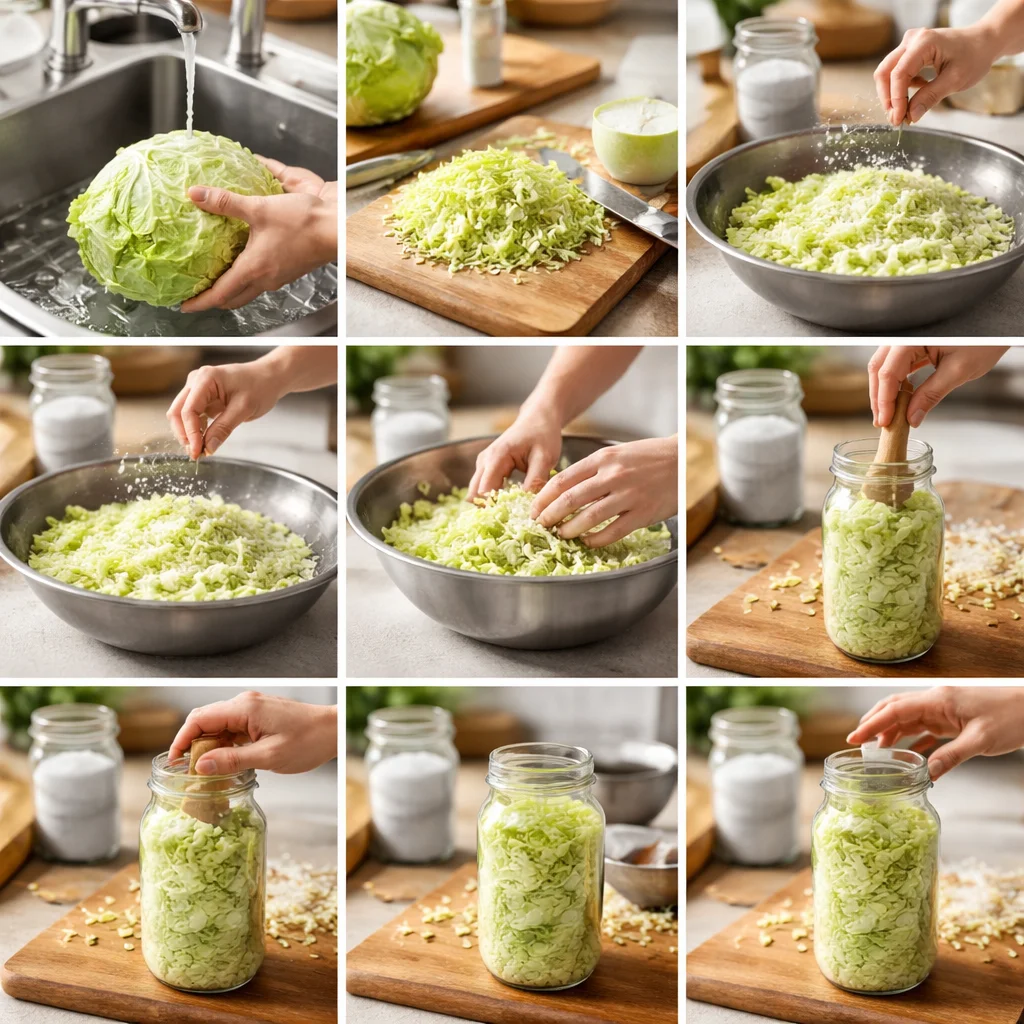
1) Wash your cabbage, peel off any ugly outer leaves, and set one clean leaf aside if you can.
2) Slice the cabbage into thin shreds. I do it with a knife. No fancy tools needed.
3) Put the shredded cabbage in a big bowl and sprinkle with salt. A common guideline is about 1 and a half to 2 teaspoons of salt per pound of cabbage. You do not have to be perfect, but do not go super light either.
4) Massage and squeeze it with your hands for a few minutes. This is the moment where it starts turning glossy and wet. If you are stressed, this is also a great way to take it out on a vegetable.
5) Let it sit for 10 to 15 minutes, then squeeze again. You want a nice puddle of brine in the bowl.
6) Pack it into your jar. Press down firmly so the brine rises above the cabbage. Add the brine from the bowl too.
7) Tuck that saved cabbage leaf on top like a little blanket, then add your weight to keep everything below the brine line.
8) Loosely cover the jar. I usually use a lid but do not crank it tight. Put the jar on a plate in case it bubbles over.
9) Let it sit at room temperature out of direct sunlight. Start tasting around day 3. Some people love it at day 5. I usually go 7 to 10 days because I like it extra tangy.
Right here is where I wish someone had told me to relax. Some batches bubble more, some less. As long as it smells pleasantly sour and not rotten, you are in a good place.
“I tried your method and it worked on my first try. I was nervous about fermentation, but the steps were so clear, and the cabbage came out crunchy and bright. I have been adding it to lunch all week.”
Once your jar is going, you will start thinking of all kinds of ways to use fermented cabbage. I like it with quick seafood, especially something like garlic shrimp with sauteed cabbage when I want dinner to feel fancy but still take hardly any time.
Storage and safety
Let us keep this calm and practical. The main rules are about cleanliness, keeping cabbage under brine, and trusting your senses.
How to store it
When it tastes the way you like, move the jar to the fridge. Cold slows everything down a lot. Your fermented cabbage will keep for weeks, often longer, as long as it stays submerged and you use clean utensils.
Basic safety checks you can actually follow
Smell test: It should smell tangy, sour, and kind of fresh. If it smells like trash, toss it.
Look test: Cloudy brine is normal. Bubbles are normal. A white film on top can happen sometimes. Fuzzy mold in green, black, or pink is not normal. If you see fuzzy mold, do not try to rescue it.
Keep it under brine: This is the big one. If pieces float up, push them down and make sure your weight is doing its job.
Use clean tools: No licking the fork and then sticking it back in the jar. I say this with love.
If you are serving it with dinner, you do not need a lot. A few forkfuls adds crunch and wake-up flavor. It is also really good on the side of simple chicken. I have even piled it next to leftovers from baked chicken with cabbage slaw when I want a double cabbage moment.
A jar you will actually use
If you have been curious about fermented cabbage, I hope this makes it feel doable, not intimidating. Keep it simple, keep it clean, and keep the cabbage under the brine, and you will be in good shape. Once you taste that crisp, tangy bite, you will start adding it to all kinds of meals without thinking twice. For another helpful method and a slightly different approach, check out Easy Fermented Cabbage In A Jar – Cooking LSL and compare what feels easiest in your kitchen. Now grab a cabbage, find a jar, and give it a week, you might surprise yourself.
How long does fermented cabbage take?
Most batches taste good in 5 to 10 days at room temperature. Start tasting early and stop when it hits the tang level you like.
What if my cabbage does not make enough brine?
Massage it longer and give it a little more time to sit after salting. If it is still dry, you can top it off with a little salted water, about 1 teaspoon salt per cup of water.
Do I need a special fermentation jar?
No. A clean jar, a loose lid, and a way to weigh cabbage down works. Fancy gear is nice, but not required.
Why is the brine cloudy?
Cloudy brine is normal during fermentation. It usually means things are active. Clear brine is not a requirement for success.
Can I add spices or garlic?
Absolutely. Start simple the first time, then play. Garlic, peppercorns, caraway, chili flakes, and shredded carrot are all great.
Lacto-Fermented Cabbage
Ingredients
Cabbage Ingredients
- 1 medium head cabbage (about 2 pounds) Choose a heavy, fresh cabbage for best results.
- 1.5-2 teaspoons fine sea salt Adjust based on your preference; do not go too light.
Equipment
- 1 large clean jar (quart size) Use a clean jar that will hold the cabbage tightly.
- 1 bowl for mixing Needed to mix cabbage with salt.
- 1 small jar, fermentation weight, or clean stone in a bag Used to weigh down the cabbage.
Instructions
Preparation
- Wash the cabbage and remove any ugly outer leaves, setting one clean leaf aside.
- Slice the cabbage into thin shreds.
- Place the shredded cabbage in a large bowl and sprinkle with salt, about 1.5 to 2 teaspoons per pound.
- Massage the cabbage with your hands for a few minutes until it becomes glossy and wet.
- Let it sit for 10 to 15 minutes, then squeeze again to extract more brine.
Packing and Fermenting
- Pack the cabbage into the jar, pressing down firmly, ensuring the brine rises above the cabbage.
- Add any brine from the bowl into the jar as well.
- Tuck the saved cabbage leaf on top and add weight to keep all the cabbage submerged.
- Loosely cover the jar and place it on a plate to catch any overflow.
- Let it sit at room temperature, out of direct sunlight, and start tasting around day 3, continue until it reaches your desired tanginess, typically 5 to 10 days.